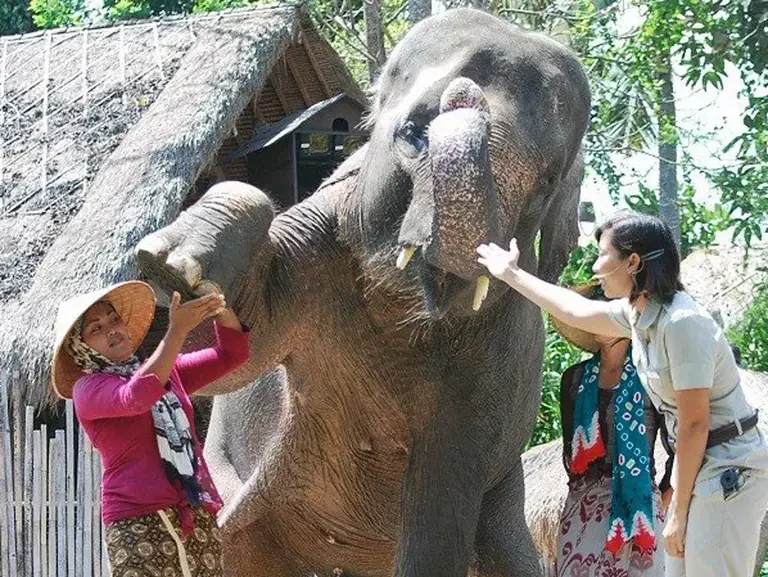
Elephant rides have quietly come to an end at Semarang Zoo, part of a broader shift in how wildlife attractions are being managed across Indonesia. The zoo confirmed that all elephant riding activities stopped on January first this year, as it follows a national directive aimed at phasing out the practice in conservation institutions. This move reflects a growing concern for animal welfare and a changing view of what constitutes responsible wildlife tourism.
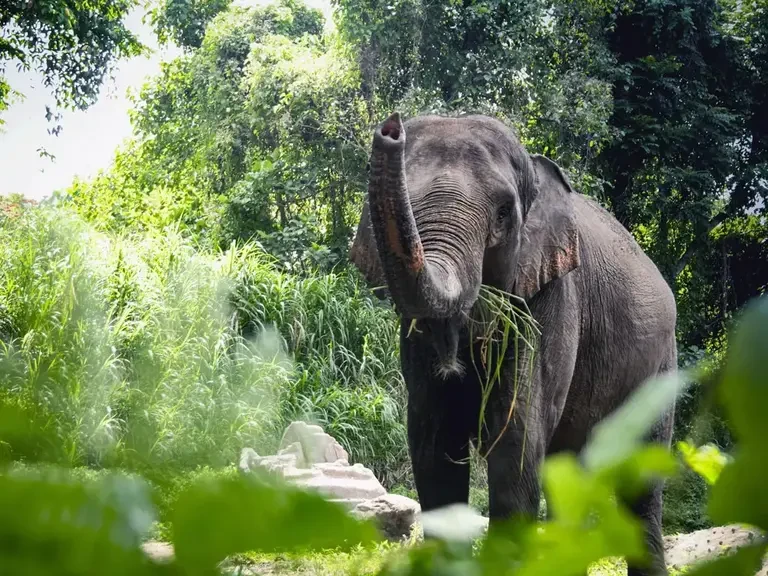
The policy behind this change comes from Indonesia’s Ministry of Forestry’s Directorate General of Natural Resources and Ecosystem Conservation, which issued a circular requiring facilities to stop offering elephant riding and instead focus on interactions that allow elephants to engage in more natural behaviors. Facilities that fail to comply may face sanctions, including potential loss of operating permits.
This development resonates strongly in Bali, where elephant riding attractions have long been part of the island’s tourism offerings. Ahead of the national shift, Bali Zoo officially ended its elephant riding program on January first, saying that the move aligns with updated conservation directives and a commitment to better animal care.
In Bali’s Gianyar region, Mason Elephant Park also halted elephant riding after warnings from conservation authorities and active oversight from the Bali Natural Resources Conservation Agency. The agency has been monitoring the transition toward more educational and ethical wildlife tourism experiences, urging other attractions to do the same.
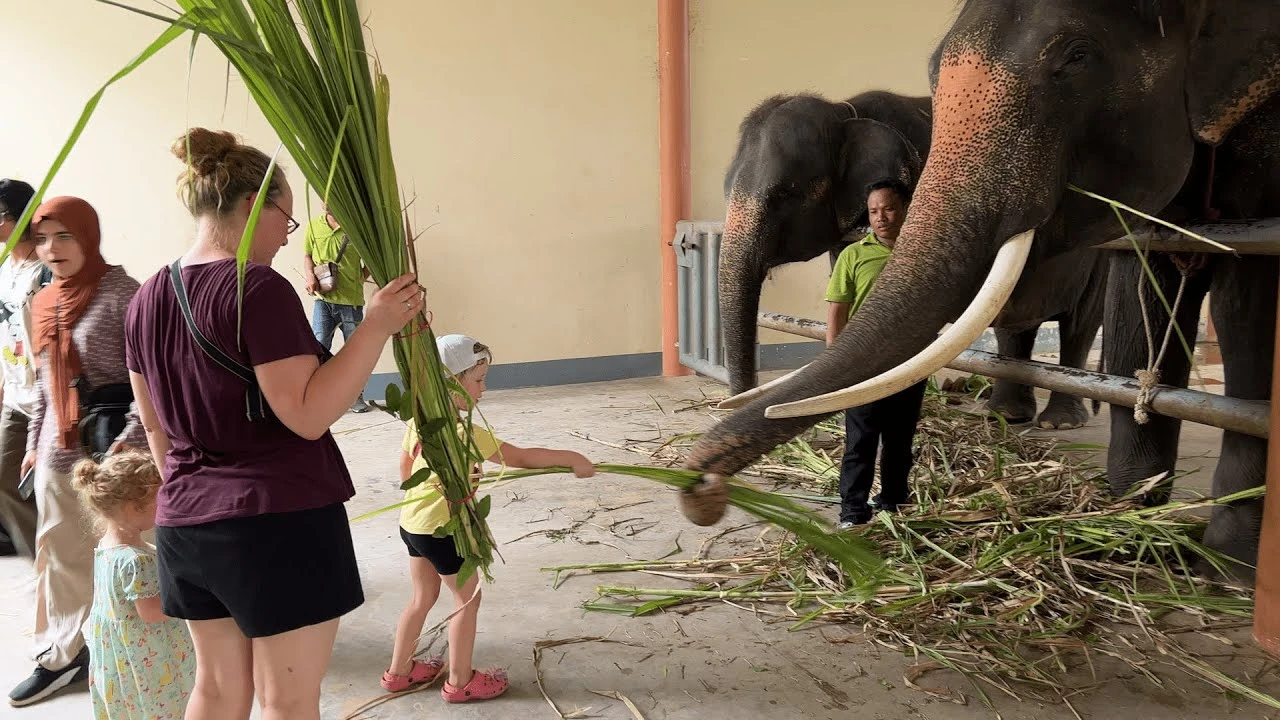
The changes in Bali reflect a broader trend in tourism and conservation. As visitors become more aware of the impact of animal based attractions, operators are expected to innovate beyond old models that focused on rides and performances. In their place are experiences that emphasize observation, education, and respect for the animals’ well-being.