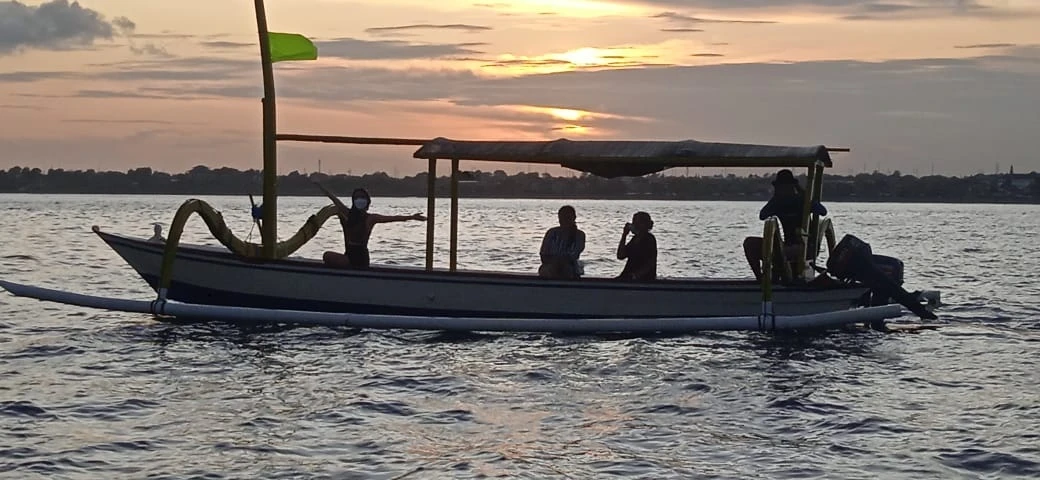
When the sun rises over Bali’s coast, fishermen sail out in their traditional boats. For them, fishing is more than work; it is part of their culture, their community, and their traditions. The fishermen of Bali perform a range of tasks that require skill and physical endurance. Although challenging, this way of life is also filled with happiness and pride in the profession they pursue.
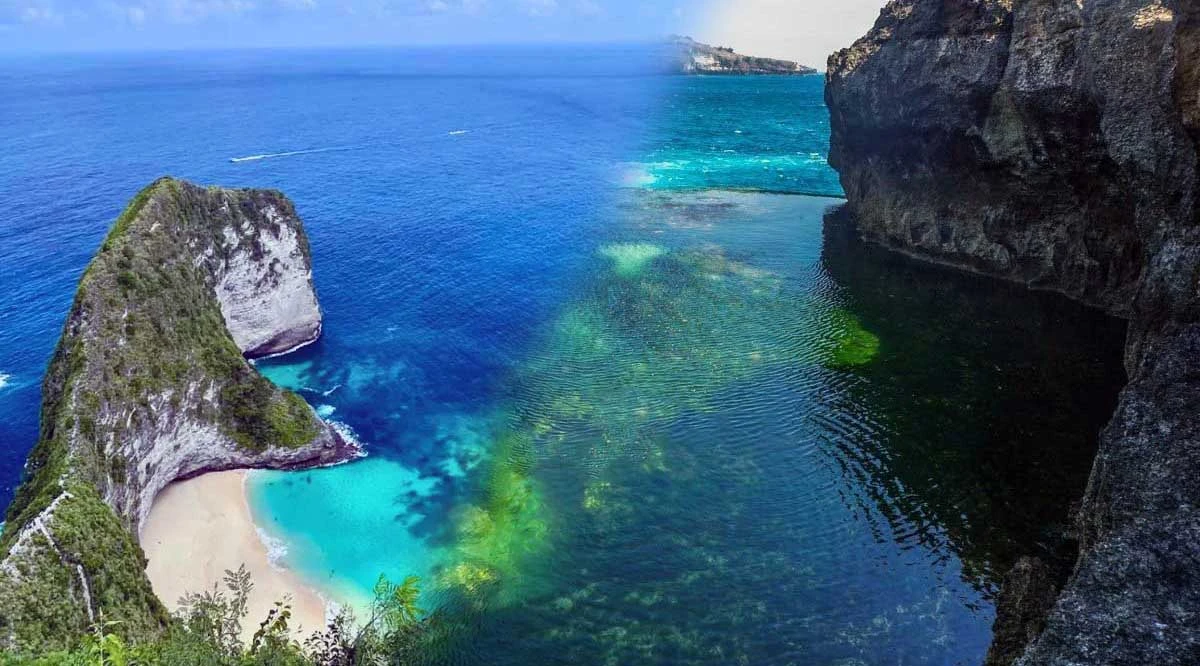
For those who wish to learn more about Balinese fishing culture, there are several fascinating places worth visiting. You can explore different areas in Bali such as Jimbaran, Amed, and Nusa Penida. If you are interested in exploring Bali’s fishing culture, do not hesitate to take the time to visit the places mentioned above. You will gain an unforgettable and meaningful experience of the rich life and culture along Bali’s coastline.
Morning Rituals and Ocean Preparation
Before going out to sea, Balinese fishermen generally offer banten or small offerings on the beach. This holds deep meaning for them as a prayer for safety, asking protection from bad weather, large waves, and various dangers at sea. At the same time, it is an expression of gratitude for the fish they have caught and a hope that future catches will remain abundant. This tradition also reflects an effort to maintain harmony between humans, nature, and God, while providing inner peace, a sense of security, and confidence before facing the risks of the open sea. Overall, the ritual is believed to support the safety, success, and solidarity of Bali’s fishing communities.
Fishing Tradition in Bali
Bali Aga Villages (Amed, Tenganan)
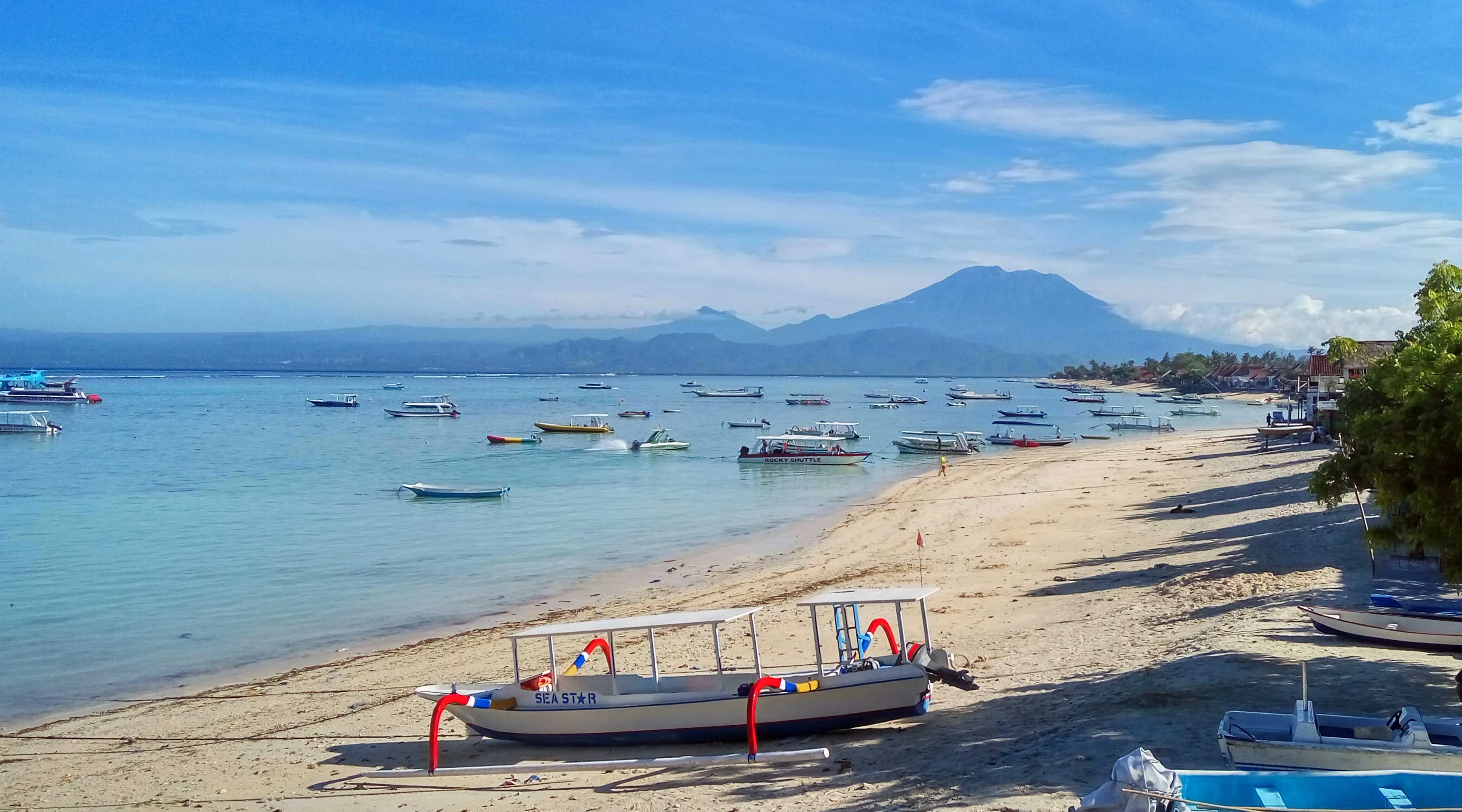
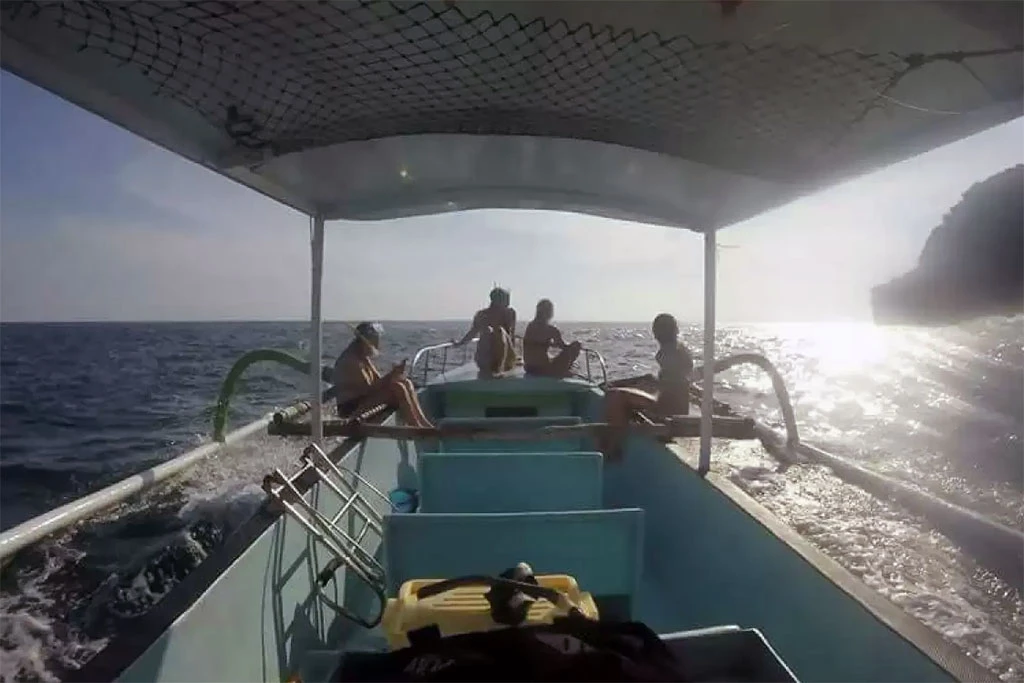
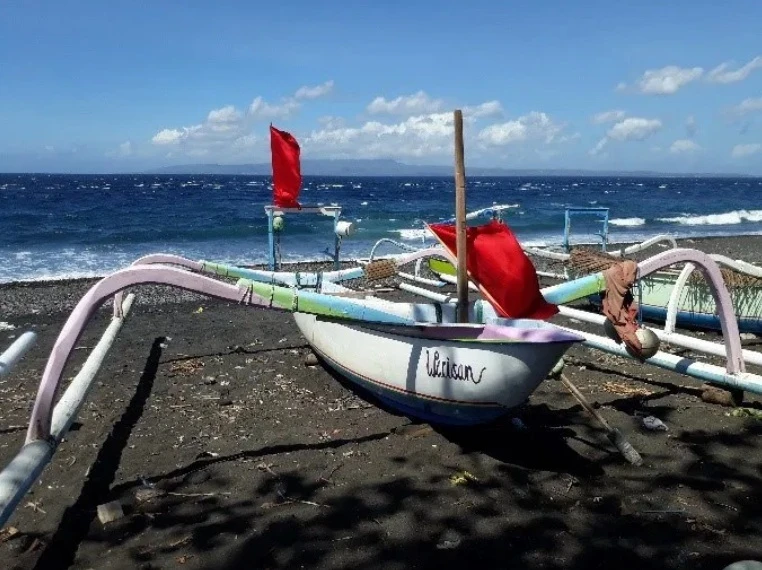
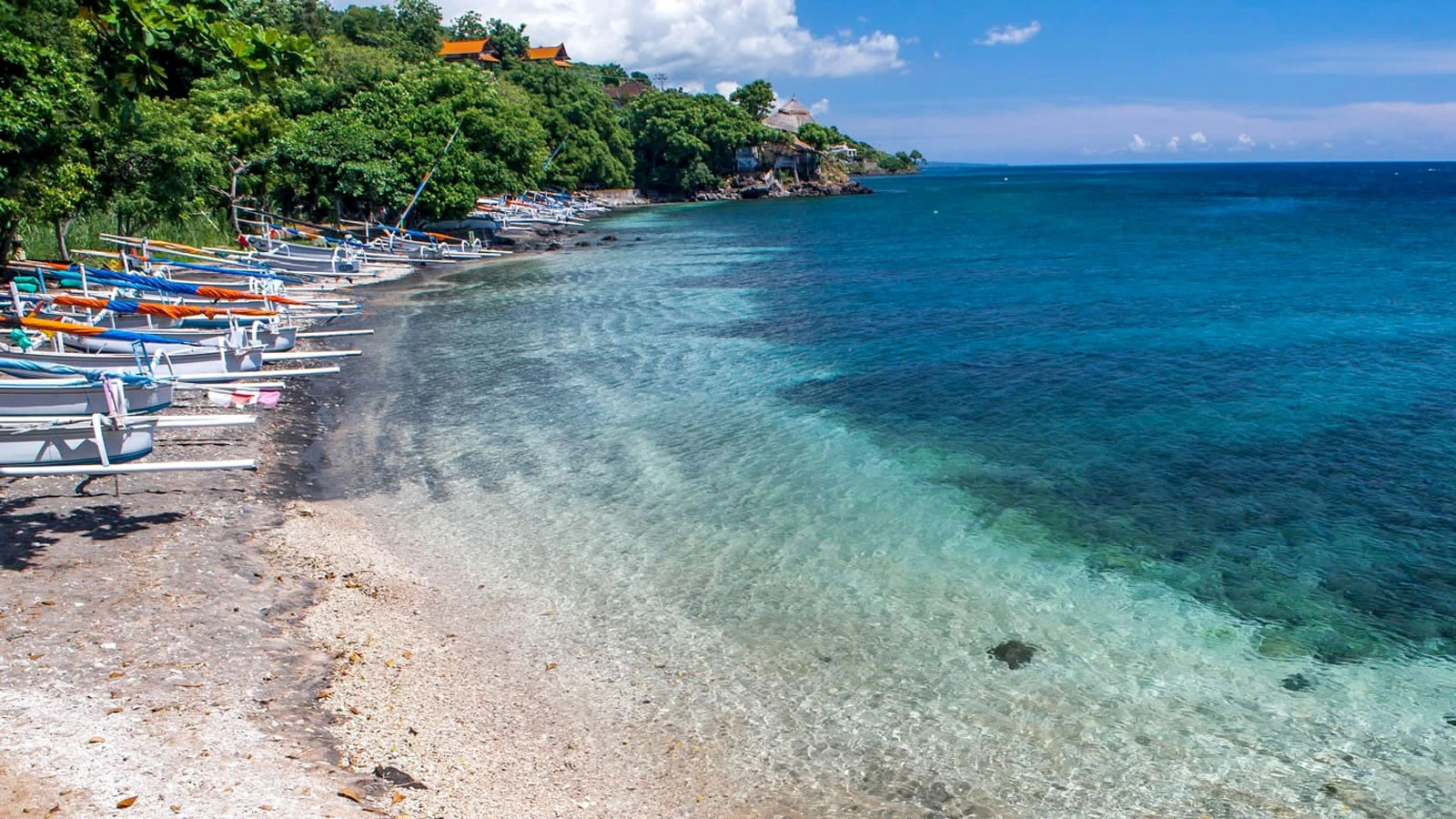
Amed and Tenganan are part of the Bali Aga village areas that still preserve their ancestral traditions to this day. The people in these regions are known for having a very close relationship with the sea, especially through fishing traditions that have been passed down from generation to generation. Local fishermen typically use traditional jukung boats, which are simply built but strong enough to face the waves of East Bali’s ocean.
The daily life of the Bali Aga communities in Amed and Tenganan also reflects a philosophy of simplicity and harmony with nature. They maintain a balance between humans, the environment, and spirituality through customs that remain an important part of everyday life. Traditional houses, communal living patterns, and the way they use natural resources are all managed with great care to avoid harming the environment. These values make Bali Aga villages a living symbol of Balinese local wisdom that continues to endure in the modern era.
Jimbaran Fishermen
Have you ever been curious about the lives of fishermen in Bali, especially in the Jimbaran area? Beyond its charm and beautiful beaches, Jimbaran is also home to a rich cultural heritage preserved by the local fishing community. In this guide, let’s explore more about the fishing culture of Jimbaran, Bali, from the fishermen’s daily lives to the famous seafood cuisine of Jimbaran.
The fishing traditions in Jimbaran, Bali, are an important part of coastal community life. From fishing techniques passed down through generations to religious ceremonies connected to the sea, these traditions are carefully preserved and handed down from one generation to the next. There are several interesting places worth visiting, where you can explore local fishing villages and witness firsthand the process of selling fresh fish at traditional fish markets. If you visit Jimbaran, don't miss the opportunity to enjoy a variety of signature seafood dishes renowned for their fresh and authentic flavors.
Amed Fishermen
Amed, located on the eastern tip of Bali, is known not only for its underwater scenery but also as a fishing village that continues to preserve its ancestral traditions. Local fishermen still use traditional Balinese jukung boats to go out to sea and use handline fishing techniques with specialized lines that are more selective and do not damage coral reefs. In addition, they also use bubu, traditional fish traps made from bamboo or wire that are placed on the seabed to catch fish passively. These traditional fishing methods are not only part of the region’s cultural heritage but also help maintain the balance of the marine ecosystem in Amed.
The local wisdom of Amed fishermen plays an important role in preserving the marine ecosystem and supporting community welfare. Their ecological ethics, such as prohibiting fishing during certain periods, using environmentally friendly fishing gear, and collective practices in boat maintenance and distribution of catches, reflect sustainable fisheries management. This value system contributes to poverty reduction, decent work, and marine conservation in line with Sustainable Development Goals
Ocean Wisdom: Lessons from Local Fishermen
Fishermen rely on the knowledge and experience they have gained over many years. They understand ocean currents, fishing seasons, and natural signs that help them read the condition of the sea. Weather and changes in nature are always carefully observed. For example, during certain months, when the wind carries a strong fishy smell from the sea, they believe it is a sign that many fish are gathering, making it a good time for fishing. This knowledge comes from long experience passed down can also be understood logically through natural conditions and fish movement.
Fishermen also pay attention to other signs, such as the shape and reflection of clouds in the sky, which they believe can show where fish are present in the sea. This local wisdom not only helps them catch more fish, but also supports sustainability because they know the right time to fish and when to avoid certain areas. Their real experiences at sea are valuable sources of knowledge, which is why people who enjoy sea fishing often learn directly from fishermen to better understand ocean conditions.
Challenges and Modern Adaptations
Today, modernization has affected many aspects of life, including the fishing activities of fishermen in Bali. In the modern era, traditional Balinese fishermen face many challenges, such as unstable fish prices, weather changes that are harder to predict, and the rapid development of fishing technology. These conditions require fishermen to adapt so they can continue to survive and improve their quality of life.
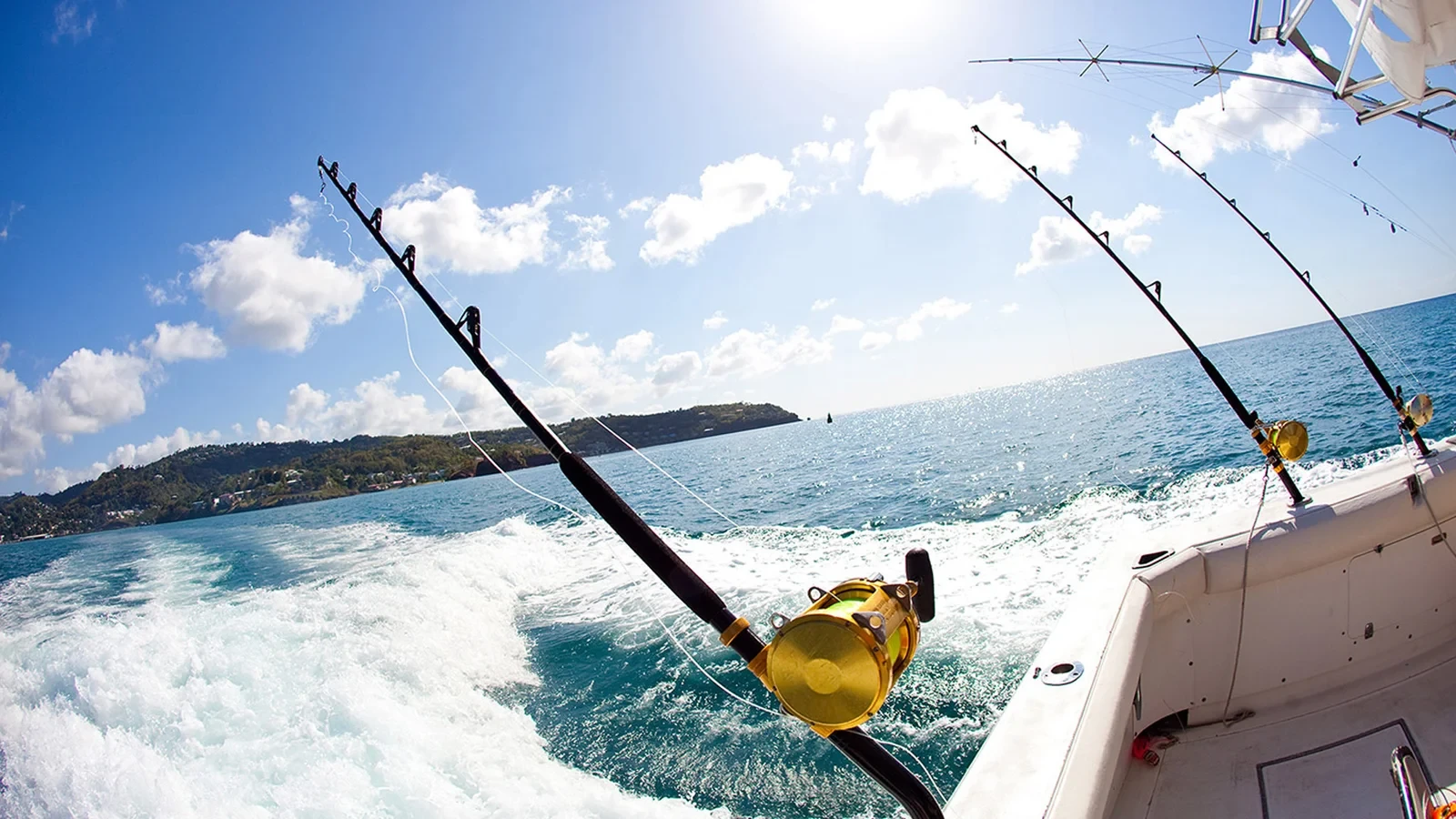
Many fishermen now use fiber boats, more efficient engines, and modern fishing techniques to increase their catch. Even so, they still maintain the traditions and cultural values passed down from their ancestors as part of their identity and way of life. The combination of modernization and tradition shows that Balinese fishing communities are able to adapt to changing times without leaving behind their cultural roots.
Experience It Yourself
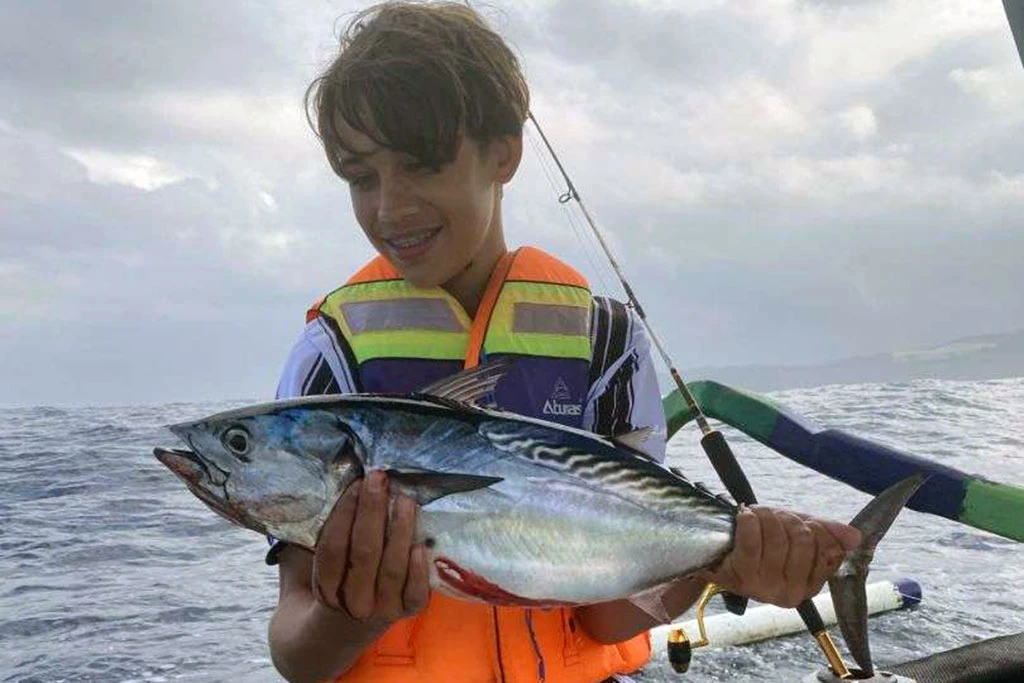
If you visit Bali, don’t miss the unique opportunity to experience the daily life of Bali’s coastal communities. You will not only be a spectator, but also take part in the fishing process using a traditional boat alongside local fishermen. The peaceful morning atmosphere at sea, the sound of the waves, and the warm interactions with the local fishermen will give you an experience unlike ordinary tourism. This experience also invites you to understand a simple way of life that is in harmony with nature. It is a meaningful way to connect with the local culture while bringing home memories that are not only beautiful but also rich with life values.
Conclusion
The lives of Balinese fishermen are a harmonious blend of culture, spiritual rituals, and ocean wisdom that has been preserved to this day. For Bali’s coastal communities, the sea is not only a source of livelihood but also an important part of their life and beliefs. Traditions such as offering banten before going out to sea, using traditional jukung boats, and reading natural signs reflect the strong connection between humans, nature, and spirituality. In areas such as Jimbaran, Amed, and the Bali Aga villages, values of unity, humble living,, and respect for nature are still preserved in modern times.
We offer a variety of authentic fishing experiences in Bali that allow you to connect directly with the island’s coastal culture and traditional way of life. Whether you want to join local fishermen on a traditional jukung boat, experience morning fishing activities at sea, or explore Bali’s fishing villages, you can choose from a range of experiences that suit your interests and travel style.
Contact us today for more information about our available fishing experiences and special offers. We will be happy to help you find the perfect experience in Bali.