The Java-Bali Sea Crossing Monument (officially known as Monumen Operasi Lintas Laut Jawa-Bali), widely referred to as the Bali War Memorial, stands as a proud tribute to Indonesia's early freedom fighters. Located in Cekik, Gilimanuk—approximately four kilometers east of the Gilimanuk Port in West Bali—the site marks the historical entry point of the republican forces. The memorial features a uniquely shaped, climbable towering monument at its center, while the surrounding grounds are decorated with historical military ornaments, including replica cannons and artillery shells, symbolizing the fierce maritime and land battles fought for the nation's independence.
The April 1946 Joint Landing Operations
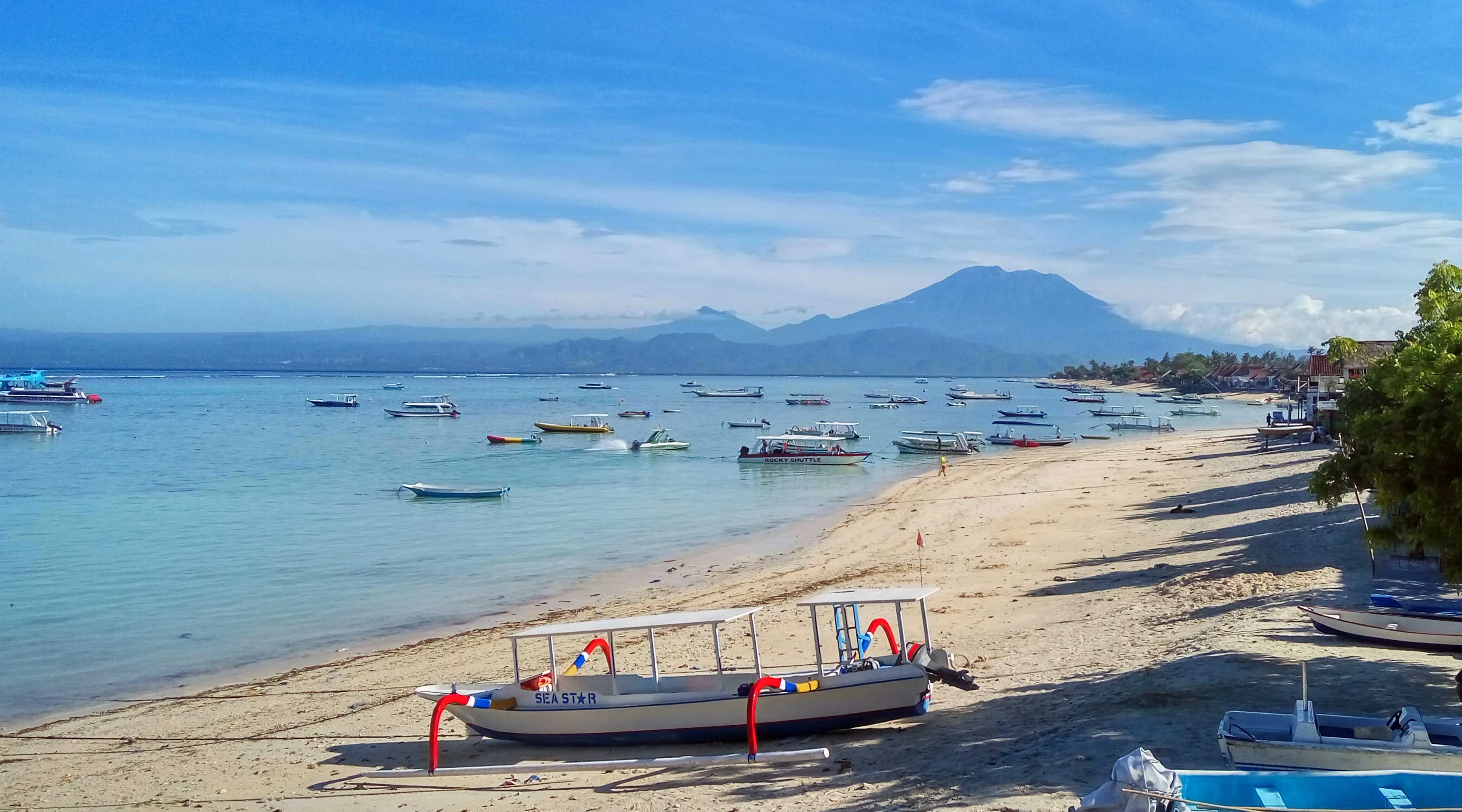
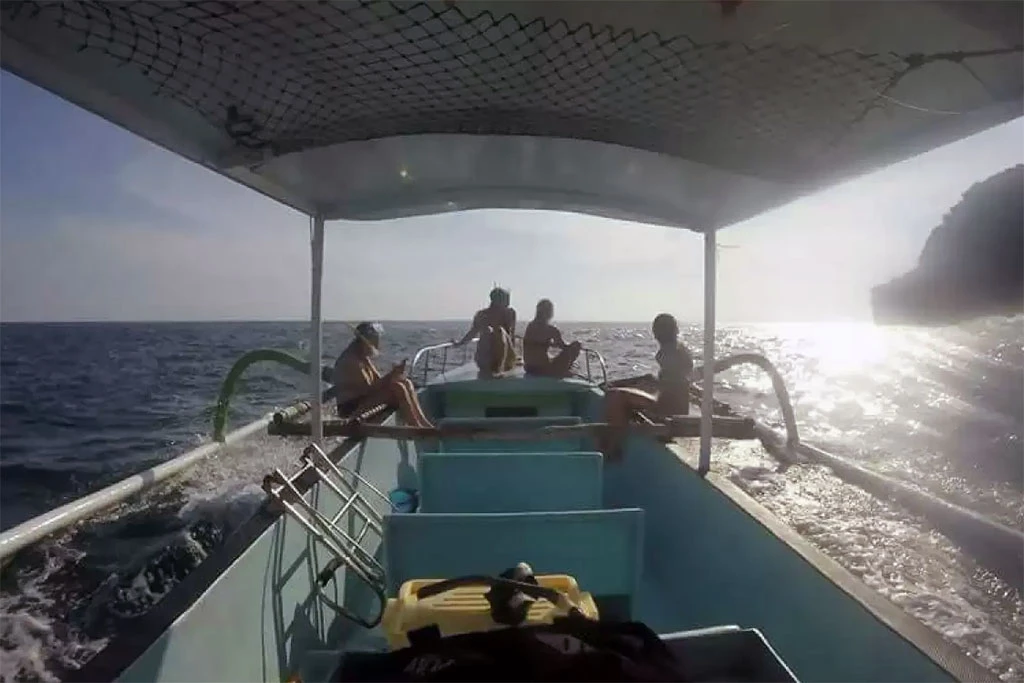
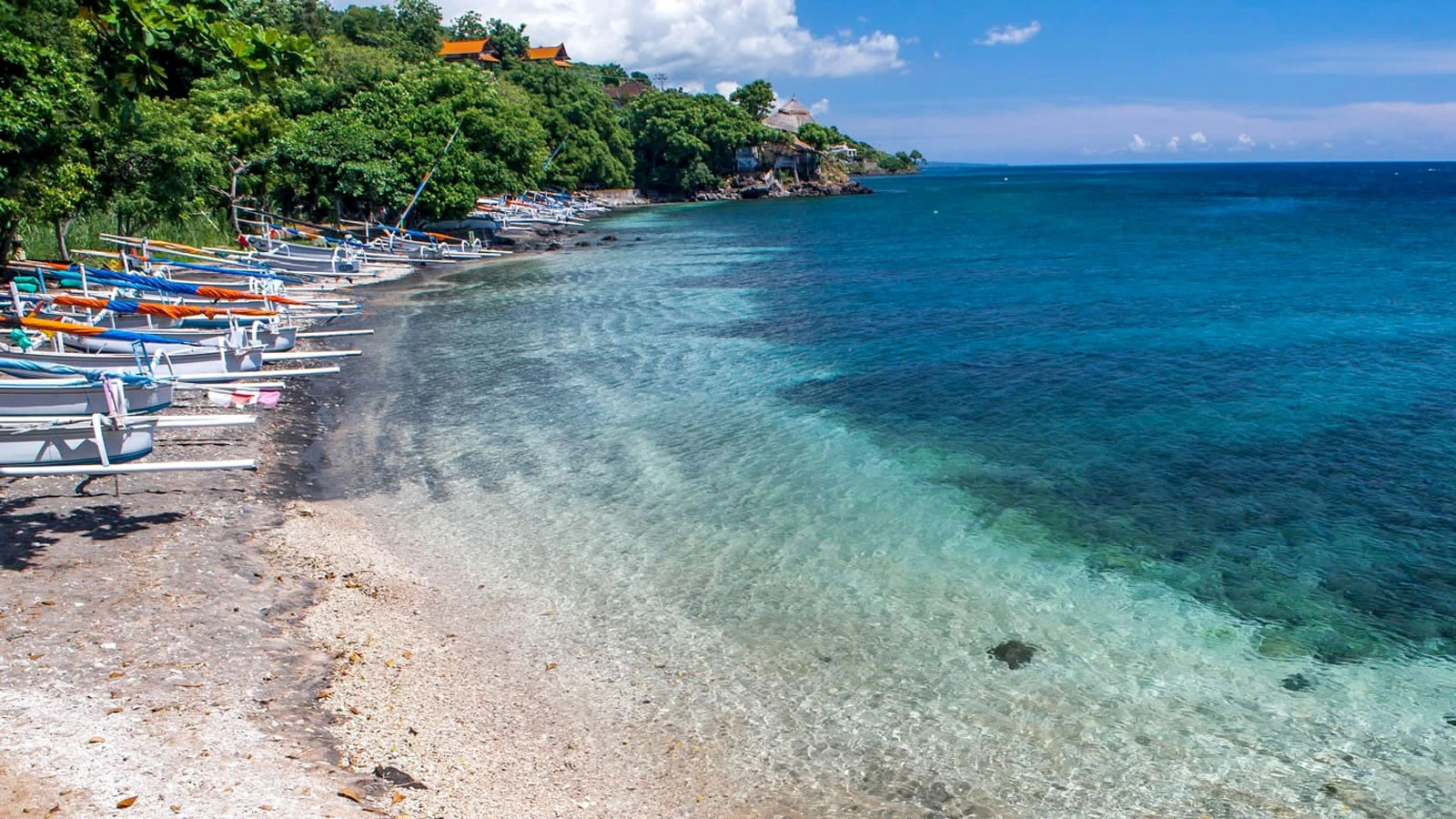
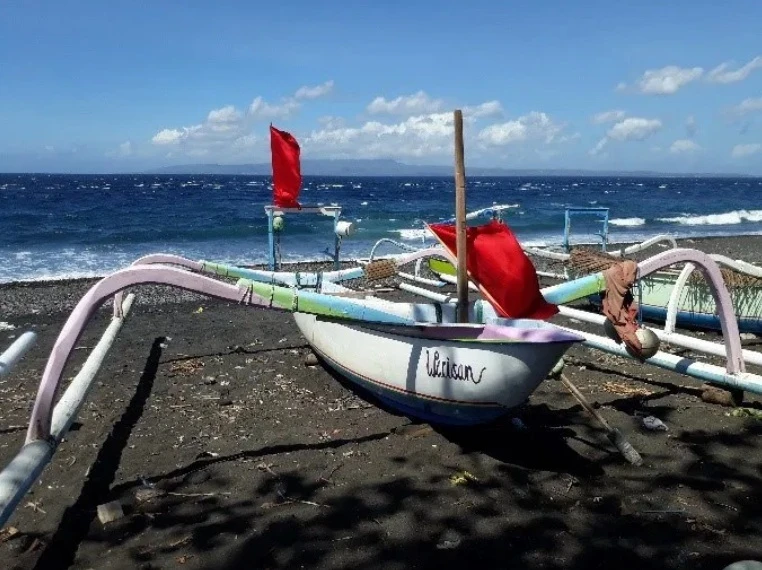
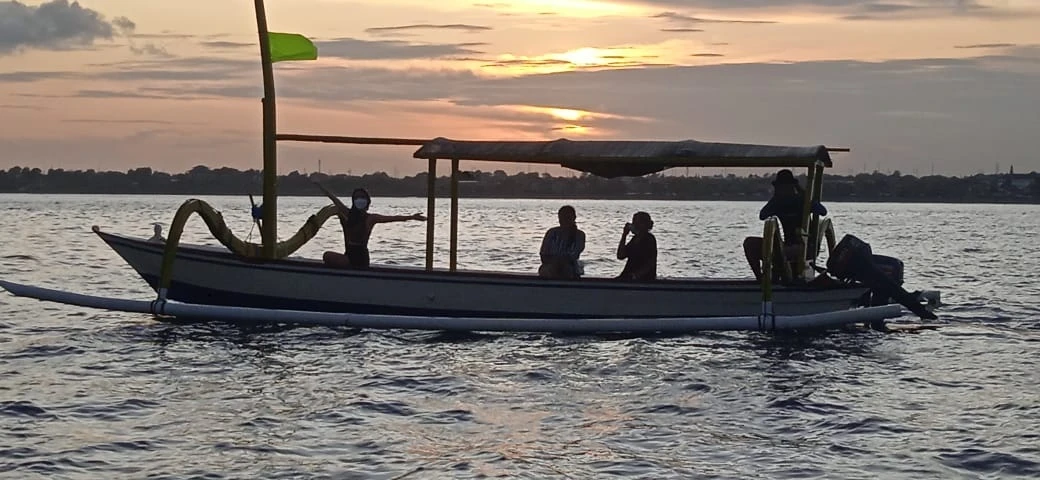
To commemorate the landing operations from April to July 1946. On the easternmost tip of Java, in and around the town of Banyuwangi, republican troops of the army, police, and navy were on high alert. Most of them were young, many even in their teens, but well-trained and possessed of very high morale. When news was received of the critical situation in Bali, joint landing operations were designed involving three contingents, each under the respective commands of Captain Waroka (of the Marines), Lieutenant Colonel I Gusti Ngurah Rai (of the Army), and Captain Markadi (also of the Marines). D-Day was set for 3 April 1946. At midnight, under the cover of darkness, Waroka's and Ngurah Rai's troops boarded a large number of outrigger canoes and fishing boats—the only types of "warships" of the republic at that time—and sailed across the narrow Bali Strait with its notoriously strong currents. Waroka headed north and landed on the north coast of Bali, whereas Ngurah Rai sailed southeast and landed on the south coast, but only after he had lost two of his men who were hit by Dutch bullets.
The Republic's First Sea Battle
Likewise, Markadi's troops, consisting of four platoons, crossed the Bali Strait on three fishing boats. At daybreak the next day, two of the fishing boats were still off the coast of Bali as the wind—their only source of power—suddenly died. Then, out of the morning mist, appeared a Dutch patrol boat. A sea battle ensued, the very first sea battle in the annals of the young republic. Another enemy patrol boat steamed full-speed to rescue the first, which was burning, but was kept at bay by heavy machine-gun fire. The two enemy boats finally fled, and the burning one was afterward seen sinking. Markadi was in command during the battle, and his victory over the enemy was a near miracle. He lost only two men. He then decided to sail as quickly as the wind—which had come to life again—could push his boat back to Banyuwangi, where he arrived just in time to evade the fury of an enemy warplane sighted in the distance. The following night, Markadi and his men made a successful landing on the southwest coast of Bali.
The July Landings on West Bali
The operation went on unabated. Then, on 2 July 1946, very early in the morning, a relatively large Republican contingent consisting of units of various armed organizations, with the remaining unit of Markadi's marines as the core, landed on the shore of West Bali after crossing the Bali Strait under the cover of darkness. This time, the enemy did not meet the Indonesian troops at sea but awaited them on shore. A fierce battle erupted. With the sea behind them, there was no choice for the Indonesian troops but to surge forward despite heavy enemy fire. Many fell. Those who survived went up the hills to join the units that had landed earlier.
Guerrilla Warfare and the Memorial's Dedication
Guerrilla warfare against the Dutch occupying forces was waged all over Bali by the republican troops together with the people of Bali until the independence of Indonesia was internationally recognized at the end of 1949. In commemoration of the landing operations of April to July 1946, in which many freedom fighters lost their lives, this War Memorial was dedicated on 4 April 1988.