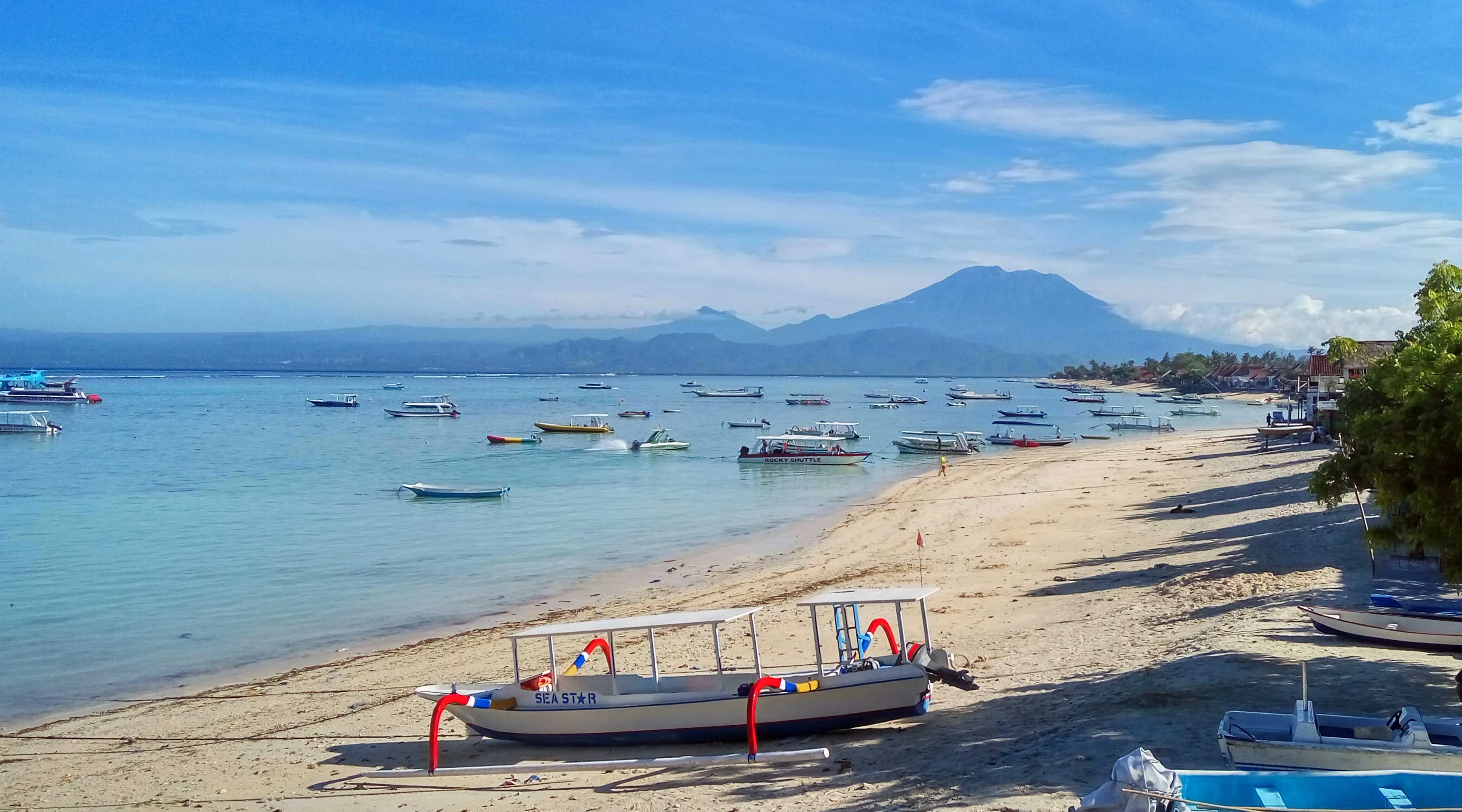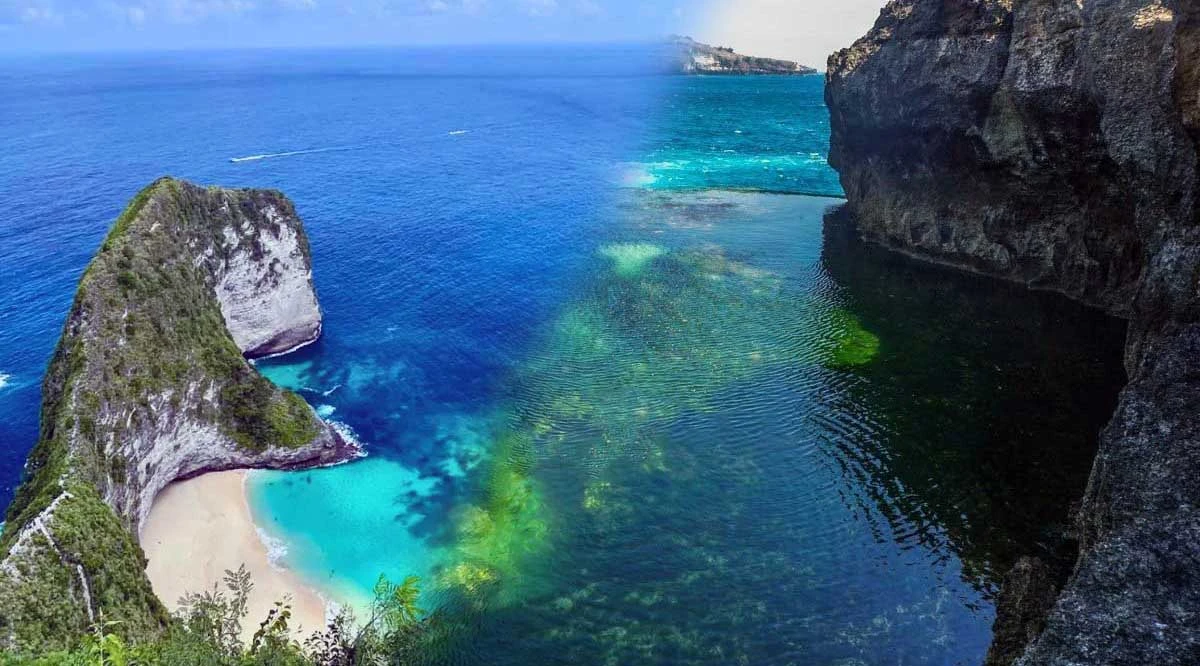
Bali is a tropical island surrounded by beautiful beaches and seas rich in marine life. It’s no surprise that Bali has become a favorite destination for fishing. However, not many people realize that the climate and ocean conditions in Bali have a significant impact on fishing results. Some believe that fishing seasons depend purely on luck. While luck cannot be ignored, it is not the only determining factor.
For fishermen, fishing is not just about luck, but also about techniques and strategies based on experience and seasonal fishing calendars. They pay close attention to natural signs and weather conditions as references. One example is when, during certain months, the seawater affected by the wind feels denser and has a stronger fishy smell. This is often a sign that many fish are gathering in the area, making it an excellent time for fishing.
Understanding Bali’s Fishing Seasons
Bali, located in a tropical maritime climate zone, experiences distinctive weather patterns by dry and rainy seasons. In addition, there is a transitional period between these two seasons. However, global climate change has begun to impact seasonal patterns in Bali.
Weather greatly influences wave height, ocean currents, as well as water temperature and fertility. When the eastern winds blow, upwelling often occurs (the rise of colder, nutrient-rich water to the surface), which attracts plankton and small fish, thereby drawing in predators such as tuna and wahoo. In contrast, during the western wind season, waves tend to be higher in certain areas and sea conditions can be more unstable, affecting fish movement patterns and fishing activities. As a result, fishermen and anglers in Bali often adjust their timing and locations based on wind seasons and sea conditions to follow the shifting migration patterns of fish throughout the year.
Fish Migration Chart
Peak & Availability
| Month | Tuna | Mahi-Mahi | Trevally (GT) | Barracuda |
| January-March | Medium | Low | Good | Medium |
| April-June | Good | Good | Good | Good |
| July-September | Peak | Peak | Good | Good |
| October-December | Medium | Good | Peak | Medium |
Fish migration in the waters of Bali is strongly influenced by oceanographic parameters such as sea surface temperature and the availability of food (phytoplankton) carried by currents, especially during the west monsoon season or upwelling events in the Bali Strait.
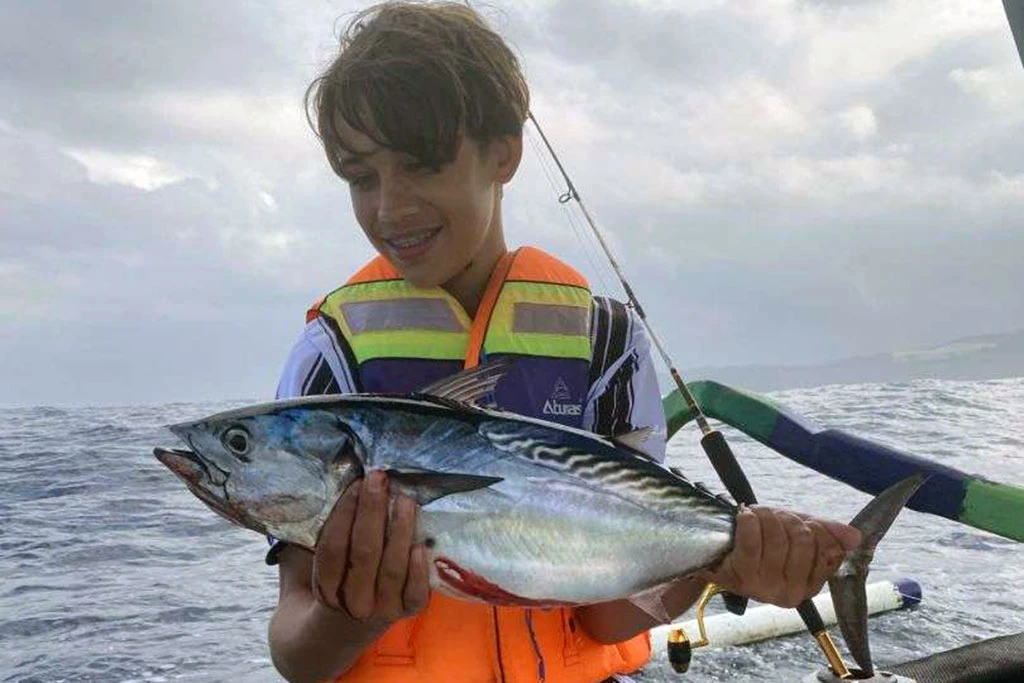
Tuna in Bali waters have their best season from June to October, when sea conditions are more stable and currents support the movement of large pelagic fish. The period from March to May is also considered good, although it has not yet reached its peak. This species is generally found in deeper waters. Tuna activity increases significantly during the dry season, making it a primary target for offshore anglers.
Mahi-mahi reach their peak season between June and November, with the best period from July to October when populations are more consistent and aggressive. These fish are often found around fish aggregating devices (FADs) and offshore areas, following warm currents and the presence of natural bait. Their surface-active behavior makes them relatively easy to locate when sea conditions are favorable.
Trevally, especially Giant Trevally (GT), are available year-round in Bali waters, making them a reliable target for topwater anglers. Their peak season runs from October to May, when they are more actively hunting around reefs and in shallow waters. Popping and topwater lure techniques are highly effective due to their aggressive approach to surface bait.
Barracuda have a relatively good season from April to October, with the most stable conditions between July and October. They are typically found around reef edges, where they ambush prey. With their speed and sudden strikes, barracuda are an exciting target, especially when the water is clear and currents are not too strong.
Monthly Weather & Wave Conditions
January–March
The period from January to March in Bali is the rainy season, during which rainfall is relatively high, and the western winds are more dominant. During this period, sea conditions are usually rougher, with higher waves and stronger currents, especially in open waters. In addition, the weather tends to be more unpredictable, with conditions that can change quickly within a single day.
Because the sea is more challenging during this time, this period is generally more suitable for experienced anglers who are familiar with offshore fishing techniques and safety at sea. However, for those with sufficient skill, this season can still offer rewarding fishing opportunities, especially when choosing the right location and timing.
April–June
From April to June in Bali, you will notice the sea gradually becoming calmer as the rainy season shifts into the dry season. Wind conditions start to stabilize, and waves are generally lower compared to the earlier months. During this time, the weather at sea becomes more predictable and comfortable, making offshore trips much more enjoyable.
This period is often considered the beginning of the best fishing season in Bali, especially for trolling trips. As ocean conditions improve, fish tend to become more active and easier to target in deeper waters. It’s a great time for you if you’re looking for a balance between favorable sea conditions and productive fishing results.
July–September
From July to September, you will experience some of the most stable sea conditions of the year. The weather is typically dry, the winds are consistent, and the ocean becomes clearer and more predictable. These conditions create an ideal environment for offshore fishing, with smoother trips and better access to deeper waters.
This period is also known for a high level of pelagic fish migration, making it the peak season for tuna. You will find tuna and other pelagic species more abundant and active during these months, increasing the chances of successful catches. For many anglers, this is considered the best time of the year to go fishing in Bali.
October–December
From October to December in Bali, you’re in the transition period between the dry and rainy seasons. The sea is still quite productive during this time, and you may still find good opportunities for fishing, especially for species like mahi-mahi that tend to appear around drifting objects and shifting currents. It’s a phase where things are changing, but fishing can still be rewarding if you time it right.
That said, the weather becomes less predictable as the months go on. Rain can come suddenly, winds may shift, and the sea can turn rough without much warning. So, if you’re planning to fish during this period, it helps to stay flexible and keep an eye on the conditions so you can adjust your plans when needed.
Best Time for Fishing in Bali
There are no bad months for trolling and fishing in Bali. You will find that specific fish have seasons (tuna from May to December, Wahoo from May to September, etc.) but that you can easily catch fish here all year round. If you’re looking for peak fishing yields, then the months from July to November tend to realize the highest volumes of catch.
Recommended Packages
As you might expect from a tropical island in the middle of the Indian Ocean, Bali is a best place to enjoy a fishing tour. Joining an organized tour means that you don’t have to worry about finding bait fish or having all the right equipment to go after the big fish. But you can also organize your own fishing trips to catch fish in deep sea or go trolling fishing. Both offer different advantages and sensations depending on your preferences.
If you are planning your fishing adventure in Bali, Balisuta.com provides well-prepared packages to make your experience easier and more enjoyable. You can choose the Deep-Sea Fishing package for targeting bigger species, or the Trolling Fishing package if you prefer an active style of fishing while moving across productive areas. Each package is designed to match different seasons and fishing styles, helping you get the most out of your time..
Conclusion
Bali actually has a fairly unique fishing calendar, even though it is not widely discussed. Each period throughout the year brings different sea conditions, from changes in wind and wave height to shifting fish migration patterns. All of these factors make fishing in Bali a constantly changing experience, never quite the same each time you visit.
Because of this, you will achieve much better results if you plan your fishing trip according to the season. By choosing the right timing for specific fish species and understanding sea conditions, your chances of a successful catch will increase. Balisuta.com is always open to you with a variety of customizable fishing trip packages, allowing you to enjoy a more optimal fishing experience in Bali.