The Bali Kite Festival is one of Bali’s most colorful annual cultural events, usually held between July and August, sometimes continuing until October, depending on the weather. The festival marks the start of Bali’s windy season and is mainly celebrated along Padanggalak Beach, north of Sanur, where giant traditional kites fill the sky.
Originally, the festival began as a traditional agrarian celebration to thank the gods for abundant harvests. Today, hundreds of local kite teams compete by flying large handcrafted kites with traditional Balinese designs, often joined by international participants with modern kite creations. The festival continues to symbolize community spirit, creativity, and the strong connection between Balinese culture and nature.
Main Locations and Venues
The main Bali Kite Festival grounds are centered on Padang Galak Beach, a broad black-sand beach just north of Sanur, famous for its strong seasonal winds and huge traditional Balinese kites. The area has hosted the annual festival for decades and is considered the heart of the event.
Other festival-related competitions and exhibitions are sometimes held at nearby locations, such as Mertasari Beach, especially during broader cultural programs associated with the Sanur Village Festival. Even outside the official competition days, kite culture spreads across much of South Bali. During the windy dry season, you’ll commonly see giant kites flying above Denpasar or Tanjung Benoa.
Highlights of Bali Kites Festival
The kiting festivals eventually became a competitive ground for youth groups who send their teams to participate. Competitions are also usually held for ‘new creation’ kites. These may include detailed 3D figures and unusual designs ranging from Hindu gods and cars and motorbikes to mascots and brand sponsors. A gamelan orchestra accompanies each troupe, which adds to the joyous spirit of the dramatic take-offs.
Traditional Balinese kites tend to be gigantic, measuring up to 4 meters wide and 10 meters long. Some other versions, such as the janggan type, have impressive flowing ribbon tails. Tails often reach 100 meters or more in length. Jointly built at the communal banjar village halls all over Bali, skilled youths, supervised by experienced elders, craft bamboo frameworks for weeks up to the major event.
Lightweight fabrics are carefully selected to coordinate with color schemes, and some kites are adorned with intricately carved heads that reflect traditional Balinese artistry. The bebean is the most common type of Balinese kite, shaped like a fish and often seen dominating the skies during the festival. Another popular type is the janggan, which resembles a bird with shorter, rounded wings and a long, flowing tail known as the kedeber. Once airborne, the dramatic ribbon tail often becomes the kite’s most striking feature. In competitions, assembling and controlling the long kedeber is considered one of the greatest challenges for each kite team.
Rare Angon
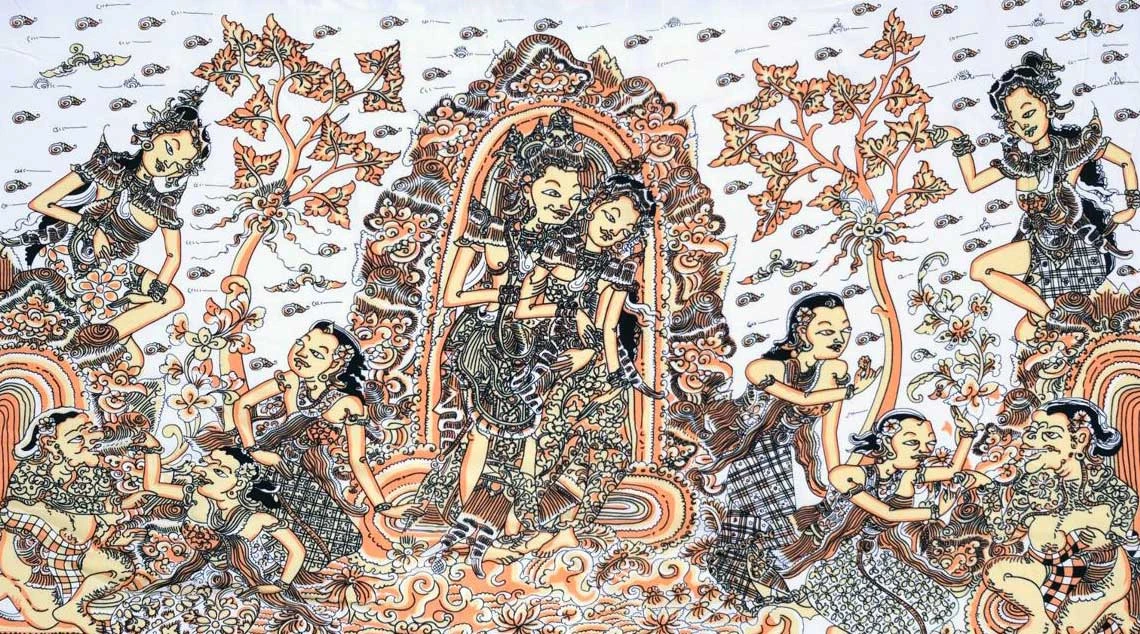
The joy of kite season is deeply tied to Balinese mythology. One story that stands out is the legend of Rare Angon, also known as the “young shepherd.” According to folklore, Rare Angon is a form of Lord Shiva who appears after the harvest season. He calls the wind with his flute, encouraging children to play and fly kites.
This tale adds a magical layer to the tradition. It symbolizes harmony between people and nature, joy after hard work, and divine presence in daily life. Further, the spirit of Rare Angon still lives on today as both kids and adults take to the skies with their kites.
Preserving a Legacy for Future Generations
The festival is a passionate endeavor to safeguard a cherished tradition. The main goal of this festival is not just the competition, but to preserve the art and culture of Bali, especially the art of making and flying kites. The festival’s role as an educational platform for the younger generation is fostering a love and appreciation for their local culture. This commitment to tradition has fully praised the consistent dedication of the artists and kite enthusiasts in maintaining this ancestral heritage. The event is more than just a competition; it’s a communal celebration of identity, creativity, and the enduring spirit of Bali.
Etiquette and Respectful Behavior
p>As a visitor, you should be mindful of safety during the Bali Kite Festival, as the kites are extremely large and powerful. Stay clear of launch and landing areas, avoid walking beneath kite lines, and follow directions from event marshals or organizers at all times.
You are also encouraged to respect the space and concentration of the kite teams while they prepare and control their kites. Photography is usually welcome, but it is polite to ask permission before entering a team’s staging area or posing with a kite for pictures.
Tips For Celebrating the Bali Kite Festival
If you plan to experience the Bali Kite Festival, arriving early is highly recommended so you can secure a good viewing spot before the beaches become crowded and the competitions begin. The festival is usually held along Bali’s coastline, such as at Padang Galak Beach, where strong sea breezes create the perfect conditions for flying giant traditional kites.
Since the event takes place outdoors in the sun, bring sunscreen, sunglasses, a hat, water, and light snacks to help you stay comfortable throughout the day. Visitors can also enjoy seeing the three classic Balinese kite designs: the fish-shaped Bebean, the leaf-shaped Pecukan, and the dramatic dragon-like Janggan, famous for its long flowing tail.
The festival atmosphere is lively and energetic, with traditional gamelan music, cheering crowds, and village teams proudly supporting their kites. However, it is important to remember that the Bali Kite Festival also has deep cultural and spiritual significance, as it originally began as a way to thank the gods for good harvests and favorable winds.
Because many of the kites are enormous and require large teams to launch them, visitors should keep a safe distance from active flying and preparation areas. The colorful kites and beautiful beach setting also provide fantastic photo opportunities, but always be mindful of kite strings overhead and avoid stepping into restricted areas.
Exploring Bali Island Around Kite Season
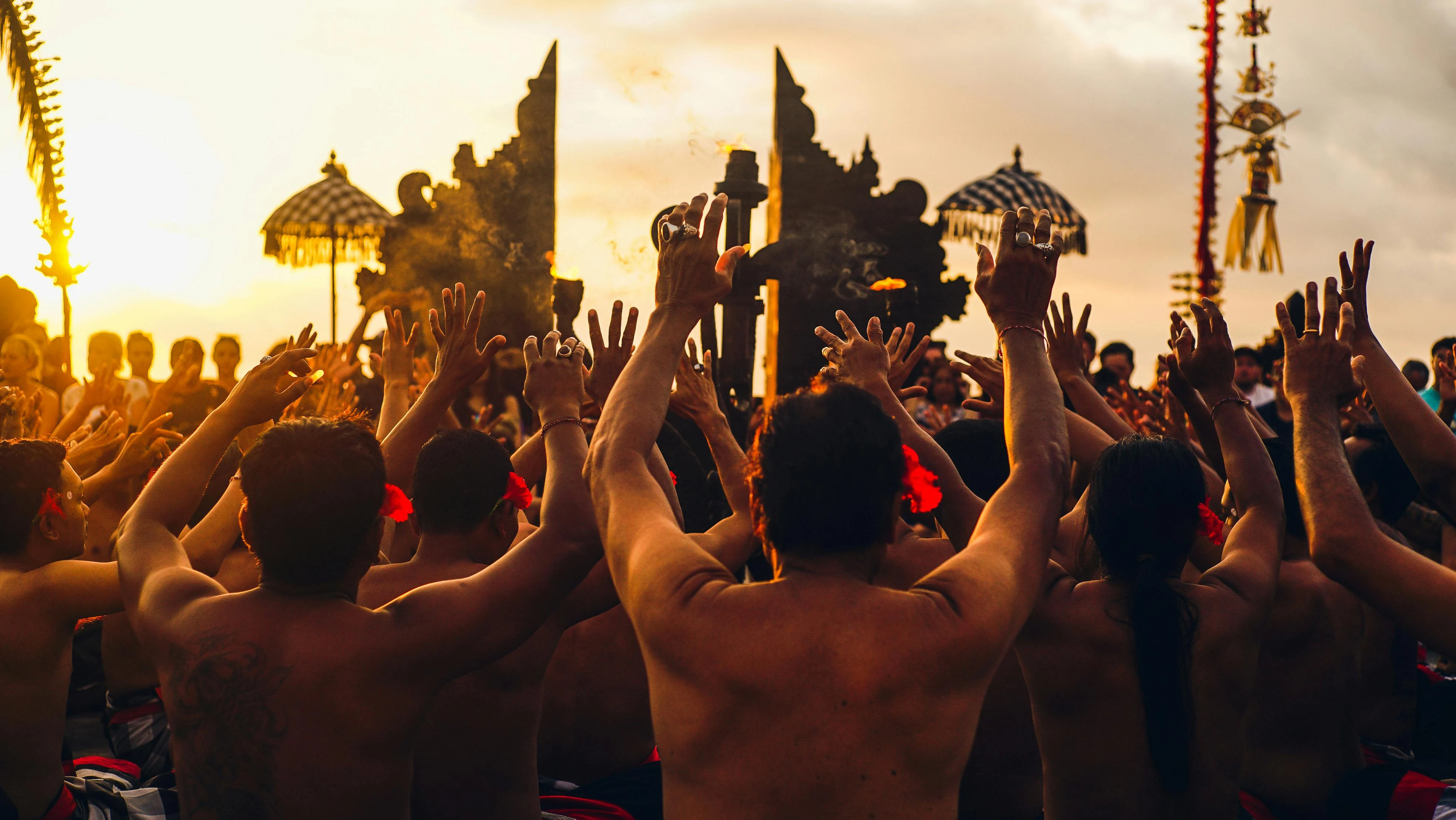
Pairing the Bali Kite Festival with wider island exploration makes for a rich itinerary. Sanur itself offers calmer beaches, a long coastal promenade, and easy boat connections to Nusa Lembongan and Nusa Penida, while nearby Denpasar provides markets and museums. Further afield, travelers can combine kite watching with visits to Uluwatu Temple and its sunset Kecak dance, the rice terraces around Ubud, or beach days in Canggu and Jimbaran. Visiting during the windy season also means you may see spontaneous kite flying in villages and fields all over the island.
If you love to fly kites, then go ahead and participate in the event, too. During this festival, tourists also experience the island's warm hospitality. You can also participate in the kite-building process. So, if you are ready for an unforgettable adventure filled with color, competition, and culture, make sure to visit the Bali Kite Festival and be part of this incredible celebration.