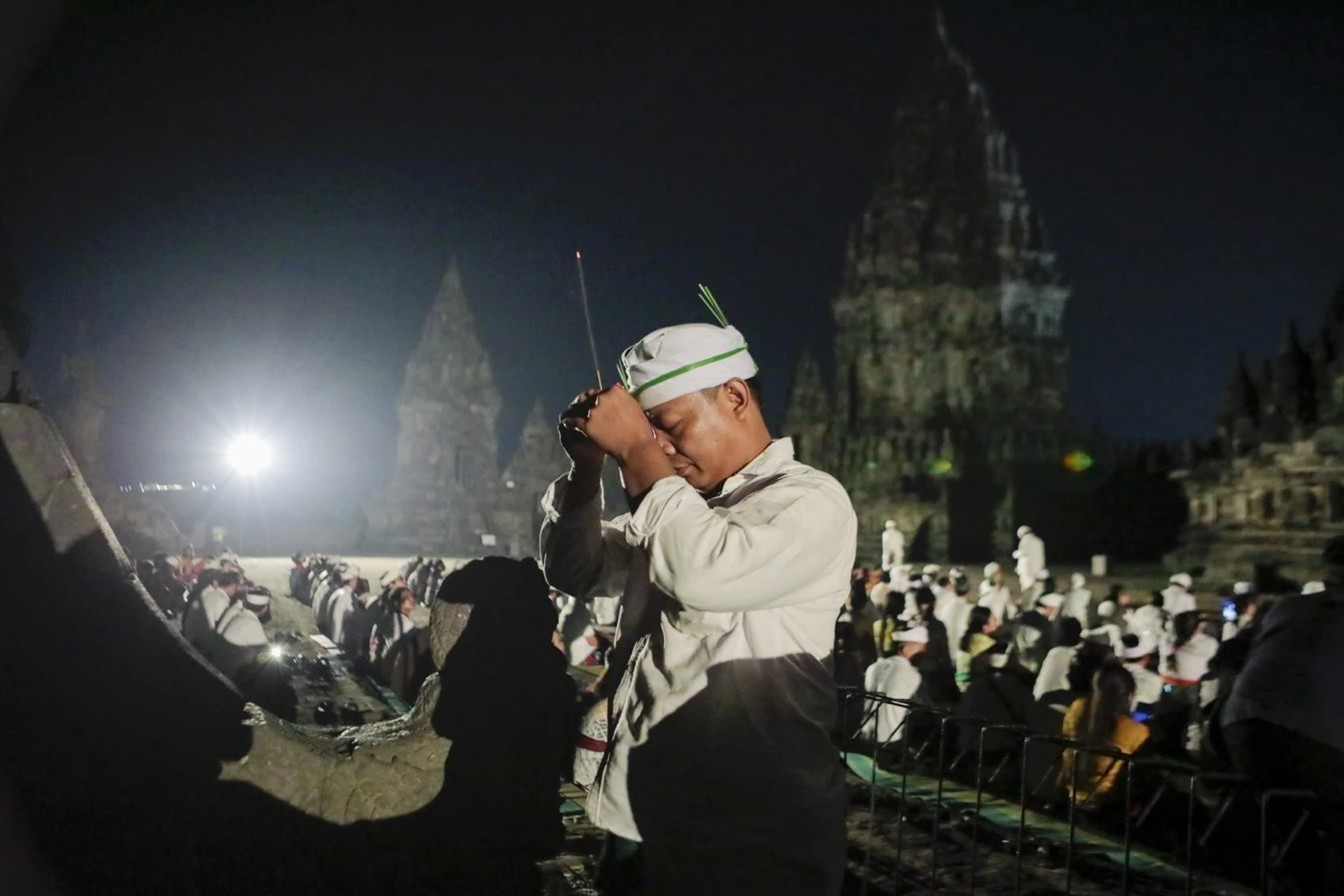
If the world celebrates New Year as a time for reflection, Balinese Hindu tradition has a special holy day with a similar purpose called Siwaratri. This holy night is dedicated to self-reflection, awareness, and spiritual cleansing. Siwaratri is a quiet and meaningful day that encourages people to look inward and improve themselves.
Unlike festive religious celebrations, Siwaratri focuses on discipline and inner control. It is a time to reduce worldly activities and concentrate on spiritual growth.
What is Siwaratri?
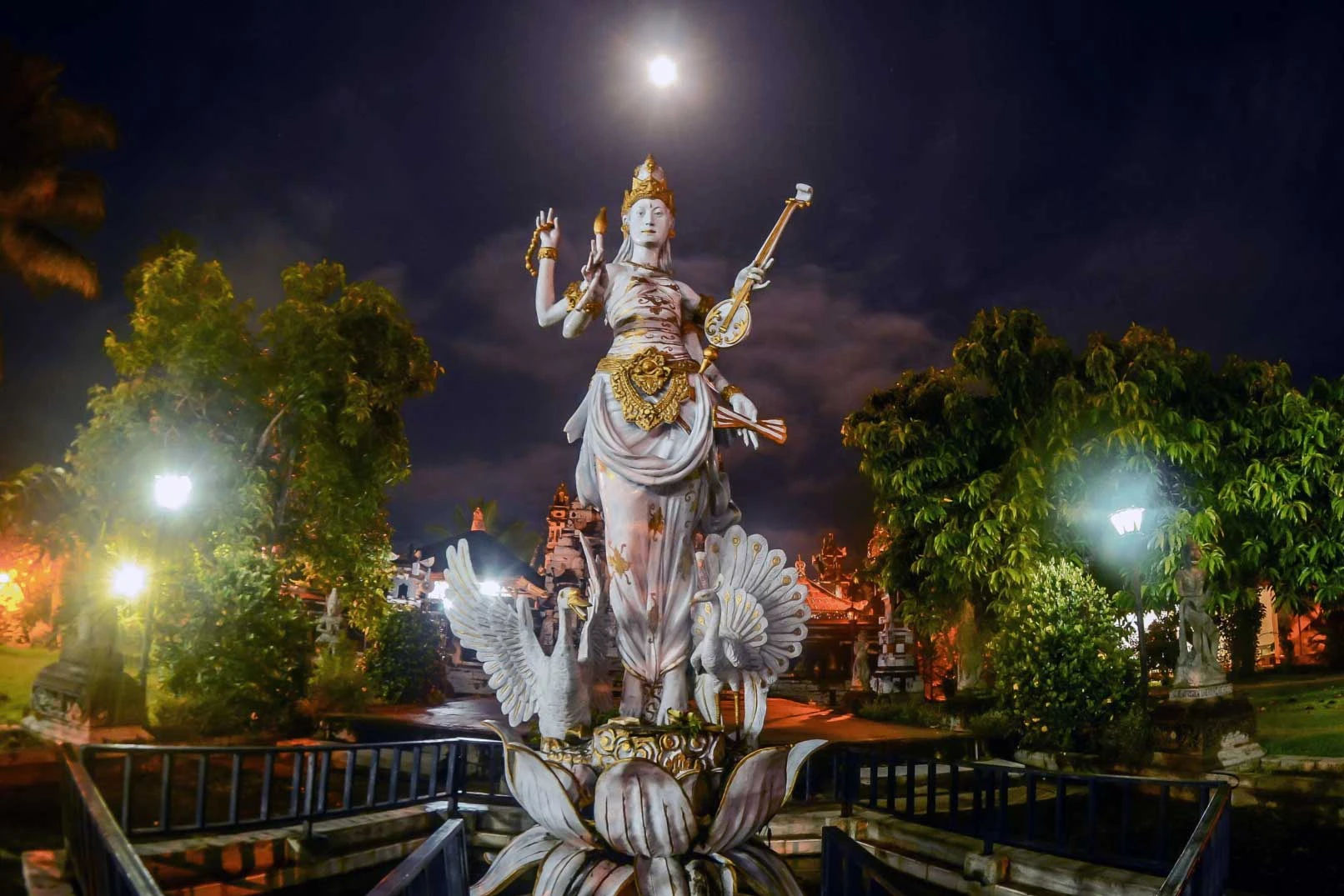
Siwaratri is a holy day celebrated by Hindu people in Bali to honor Lord Shiva. The word Siwaratri comes from “Siwa,” meaning Lord Shiva, and “Ratri,” meaning night. Together, it means the night dedicated to Lord Shiva.
This holy day reminds people to control their thoughts, words, and actions. Siwaratri teaches that true spiritual progress begins with self-awareness and responsibility for one’s behavior.
History of Siwaratri
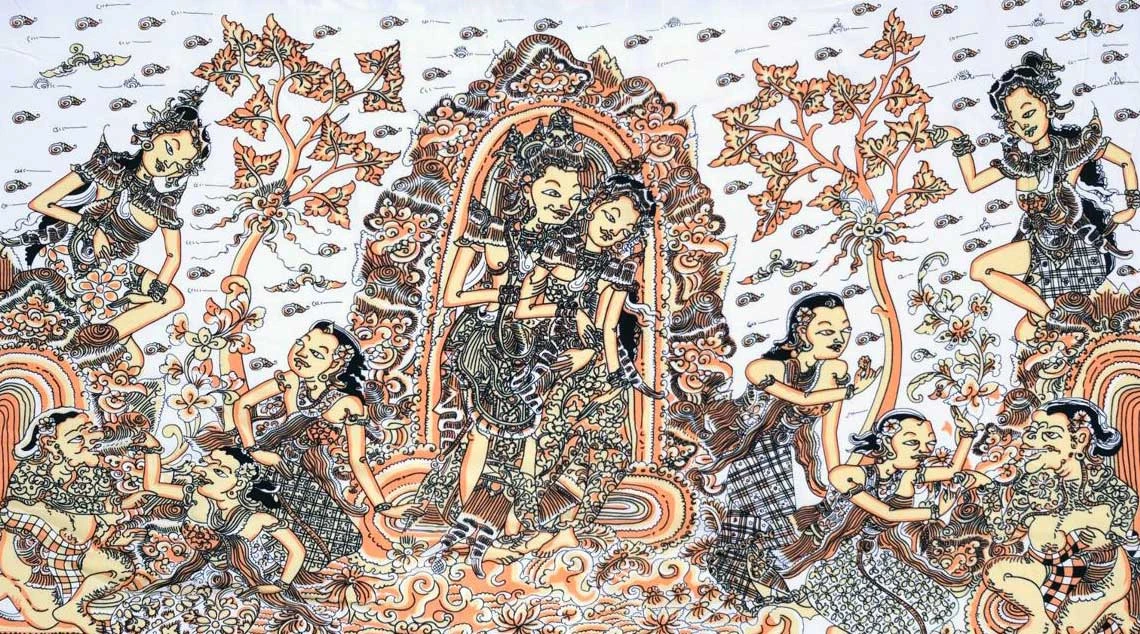
The history of Siwaratri is closely connected to the story of Lubdaka, a hunter who lived a careless life and often made mistakes. One night, Lubdaka became lost in the forest and stayed awake under a tree to protect himself from wild animals. Without realizing it, Lubdaka spent the entire night in awareness and remembrance of Lord Shiva. The leaves he dropped during the night fell onto a Shiva shrine below. Because of his sincere awareness and wakefulness, Lord Shiva granted him forgiveness and spiritual liberation.
From the story of Lubdaka, Siwaratri became a symbol of self-reflection and transformation. It teaches that awareness, sincerity, and self-control can lead to spiritual improvement, even for someone who has lived a difficult life.
When is Siwaratri Celebrated?
Siwaratri is celebrated once a year based on the Balinese calendar. The exact date changes every year when compared to the international calendar. Because it is held at night, Siwaratri has a calm and quiet atmosphere. Many people prepare themselves during the day before entering the sacred night with a focused and respectful mindset.
Siwaratri Traditions and Rituals
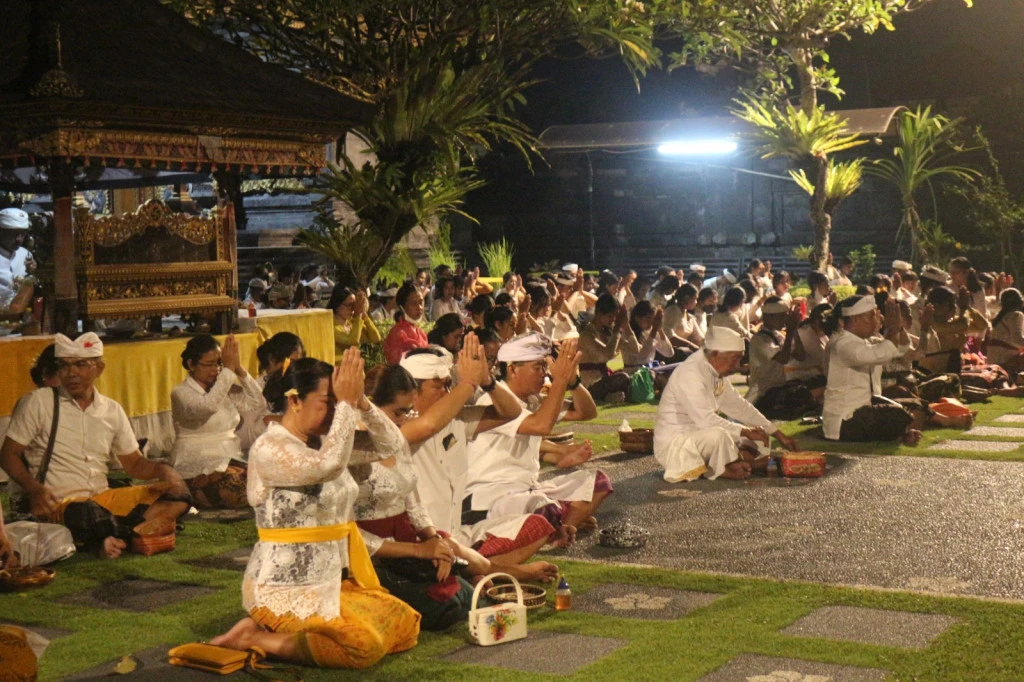
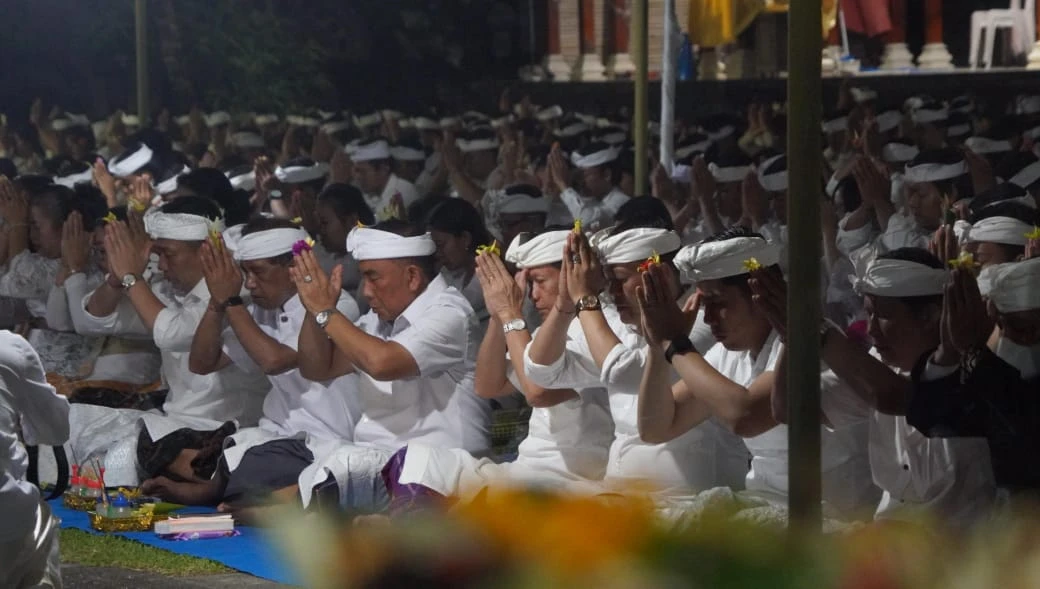
On Siwaratri, Hindu people in Bali perform prayers at home and at temples. The main focus is not on large ceremonies, but on personal spiritual practice. Many people spend the night praying, meditating, or reading sacred texts.
Some Hindus observe traditional self-discipline practices known as Brata Siwaratri. These practices include staying awake, limiting food and drink (fasting), and controlling negative thoughts and emotions. The goal is to purify the mind and strengthen self-control. Brata Siwaratri is not meant to punish the body, but to train awareness and discipline. By reducing physical desires, people are encouraged to focus on their inner self.
The Meaning of Siwaratri
The main meaning of Siwaratri is self-awareness and personal responsibility. It teaches people to recognize their mistakes, control negative behavior, and strengthen positive values in daily life.
Siwaratri reminds people that spiritual growth starts from within. Through reflection and discipline, harmony can be created between thoughts, actions, and spiritual purpose.
Siwaratri in Balinese Daily Life
During Siwaratri, the atmosphere in Bali becomes more peaceful, especially in the evening. Temples are filled with prayers, and families often gather quietly at home. Daily activities are reduced to respect the sacred night. This creates a moment of balance where people step away from busy routines and reconnect with spiritual values.
For visitors, Siwaratri offers a unique cultural experience. Tourists may notice a quieter environment and a more spiritual atmosphere in certain areas of Bali. Siwaratri shows that Balinese culture is deeply rooted in spiritual discipline and reflection. This holy day helps visitors understand that Bali’s identity is not only shaped by nature and art, but also by strong religious traditions that are still practiced today.