If the world welcomes the New Year with celebrations and loud activities, Balinese Hindu tradition begins the new year in silence through a holy day called Nyepi. Nyepi is a sacred day focused on self-reflection, balance, and spiritual cleansing. This day invites people to slow down and step away from daily routines.
Unlike festive celebrations, Nyepi emphasizes self-control and simplicity. It is a moment to reduce activity, calm the mind, and create harmony between humans, nature, and God.
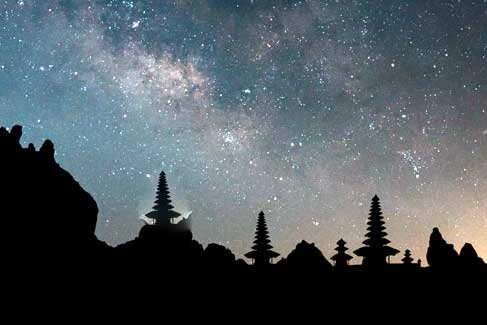
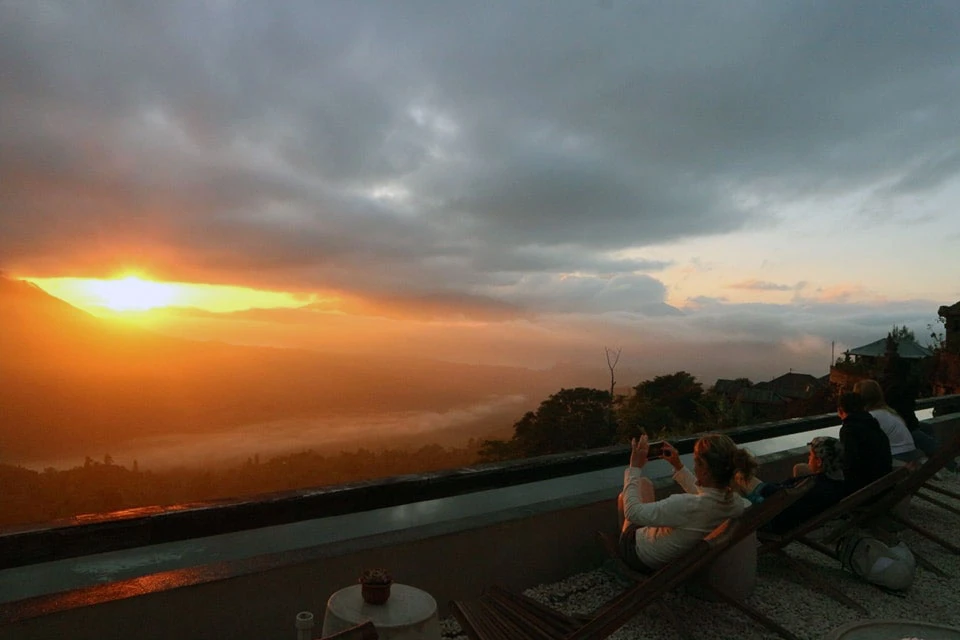
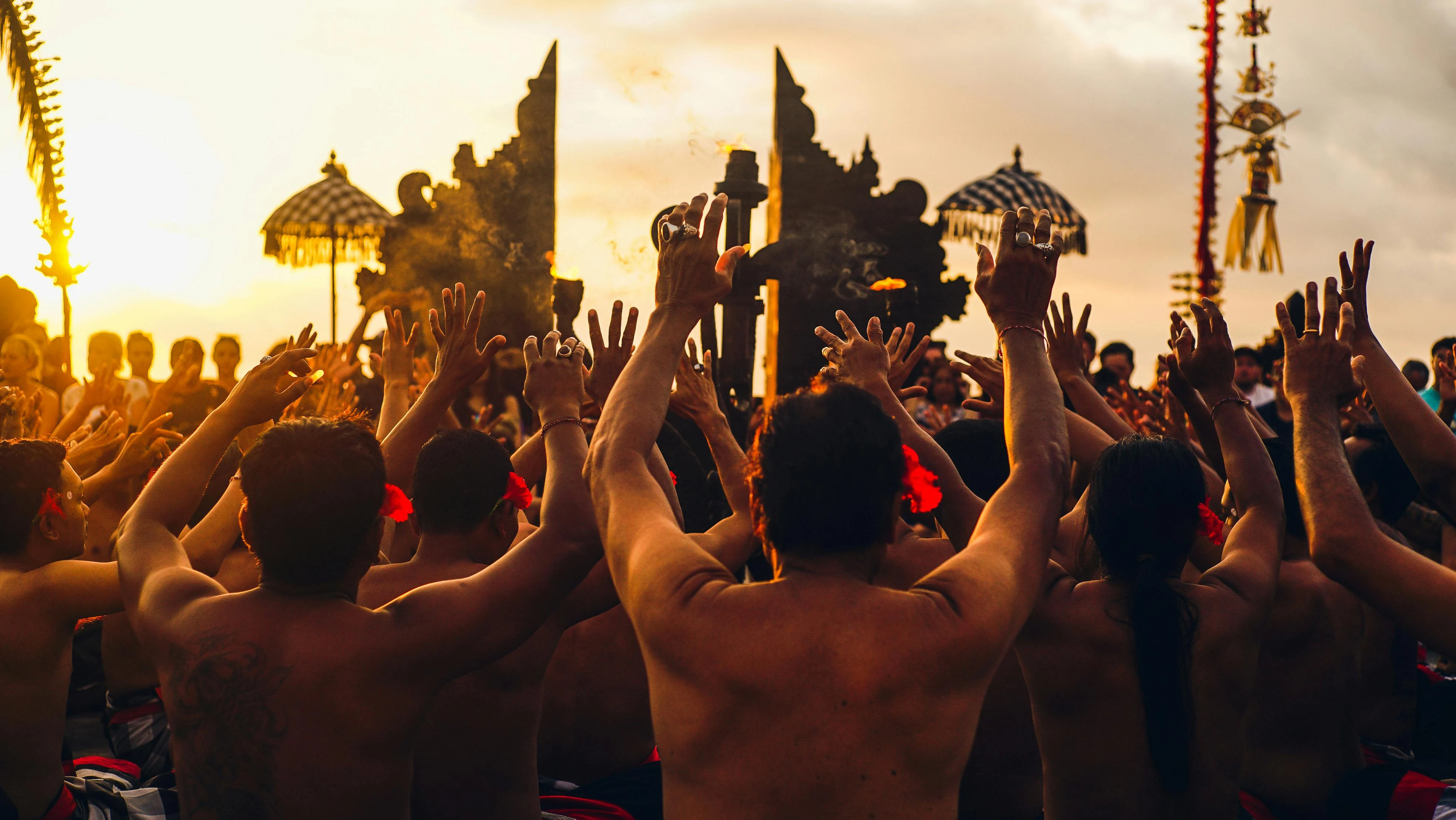
Image Tittle : Beautiful Sunset During Nyepi Day
What is Nyepi?
Nyepi is a holy day celebrated by Hindu people in Bali to mark the Balinese New Year based on the Saka calendar. The word Nyepi comes from the word “sepi,” which means quiet or silent. On this day, almost all activities across the island stop. Nyepi is not only about physical silence, but also about controlling thoughts, words, and actions. Through silence, people are encouraged to reflect on their behavior and prepare themselves for a better new year.
The main meaning of Nyepi is balance and self-awareness. By stopping all activities, people are given time to reflect on their mistakes and set positive intentions for the new year.Nyepi teaches discipline, patience, and respect for nature. It reminds people that silence and restraint are important parts of spiritual life.
History of Nyepi
Nyepi has been practiced for centuries as part of Balinese Hindu tradition. It is closely related to the Saka calendar, which was introduced to Bali through Hindu influence long ago. Over time, Nyepi developed into a unique local tradition that reflects Balinese spiritual values.
The main purpose of Nyepi is to cleanse negative energy and restore balance in the universe. Silence is believed to weaken negative forces and allow positive energy to grow at the beginning of the new year.
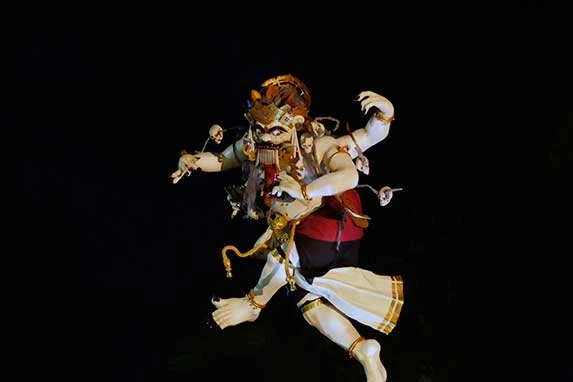
Image Tittle : Parade Ogoh-Ogoh in Pengrupukan
When is Nyepi Celebrated?
Nyepi is celebrated once a year and marks the first day of the Saka New Year. The date changes every year when compared to the international calendar. Nyepi lasts for 24 hours, starting from 6 a.m. until 6 a.m. the next day. During this period, Bali becomes extremely quiet. Roads are empty, businesses close, and even the airport stops operating for one day.
Here are the Nyepi Day dates for the next 10 years:
| Year | Date |
|---|---|
| 2027 | 8 March 2027 |
| 2028 | 26 March 2028 |
| 2029 | 15 March 2029 |
| 2030 | 5 March 2030 |
| 2031 | 24 March 2031 |
| 2032 | 12 March 2032 |
| 2033 | 2 March 2033 |
| 2034 | 21 March 2034 |
| 2035 | 11 March 2035 |
| 2036 | 29 March 2036 |
Ogoh-Ogoh and the Eve of Nyepi
One day before Nyepi, Balinese people hold a tradition called the Ogoh-Ogoh parade. Ogoh-Ogoh are large statues made to represent negative traits and evil spirits. These statues are usually shaped like giants or scary figures.
The Ogoh-Ogoh parade takes place in the evening and is filled with energy and movement. After the parade, the statues are destroyed or burned as a symbol of removing negative elements from the environment. This ritual prepares the island to enter Nyepi in a clean and balanced state.

Image Tittle : Ogoh-Ogoh Festival
Nyepi in Balinese Daily Life
During Nyepi, the atmosphere in Bali becomes calm and peaceful, especially at night. Lights are reduced, noise disappears, and the sky often looks clearer than usual.
For visitors, Nyepi offers a unique cultural experience. Tourists are required to follow the rules and stay inside their accommodation, but many find the day meaningful and relaxing. Nyepi shows that Bali is not only known for its beauty and tourism, but also for strong traditions that are still respected and practiced today.