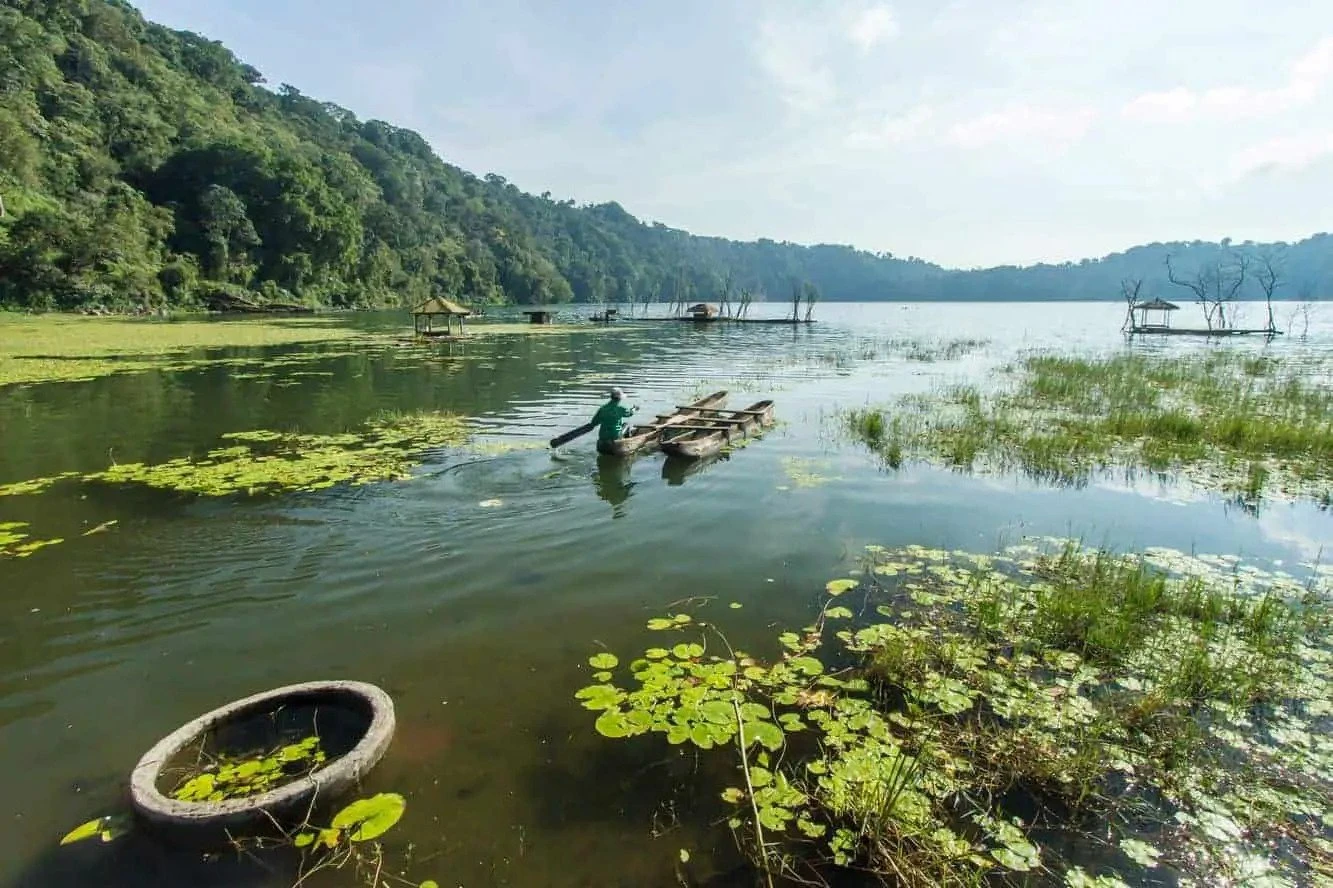
Trunyan Village in Kintamani, Bali, is often described as one of Indonesia’s most mysterious and unique villages. It is renowned not only for its extraordinary burial traditions but also for its status as a Bali Aga village, an ancient Balinese community that has been firmly preserved and remains. The people of Trunyan Village live a simple life every day. Most of them work as farmers, fishermen in Lake Batur, or make handicrafts. They also often do traditional and religious ceremonies. They like to help each other and work together in village activities.
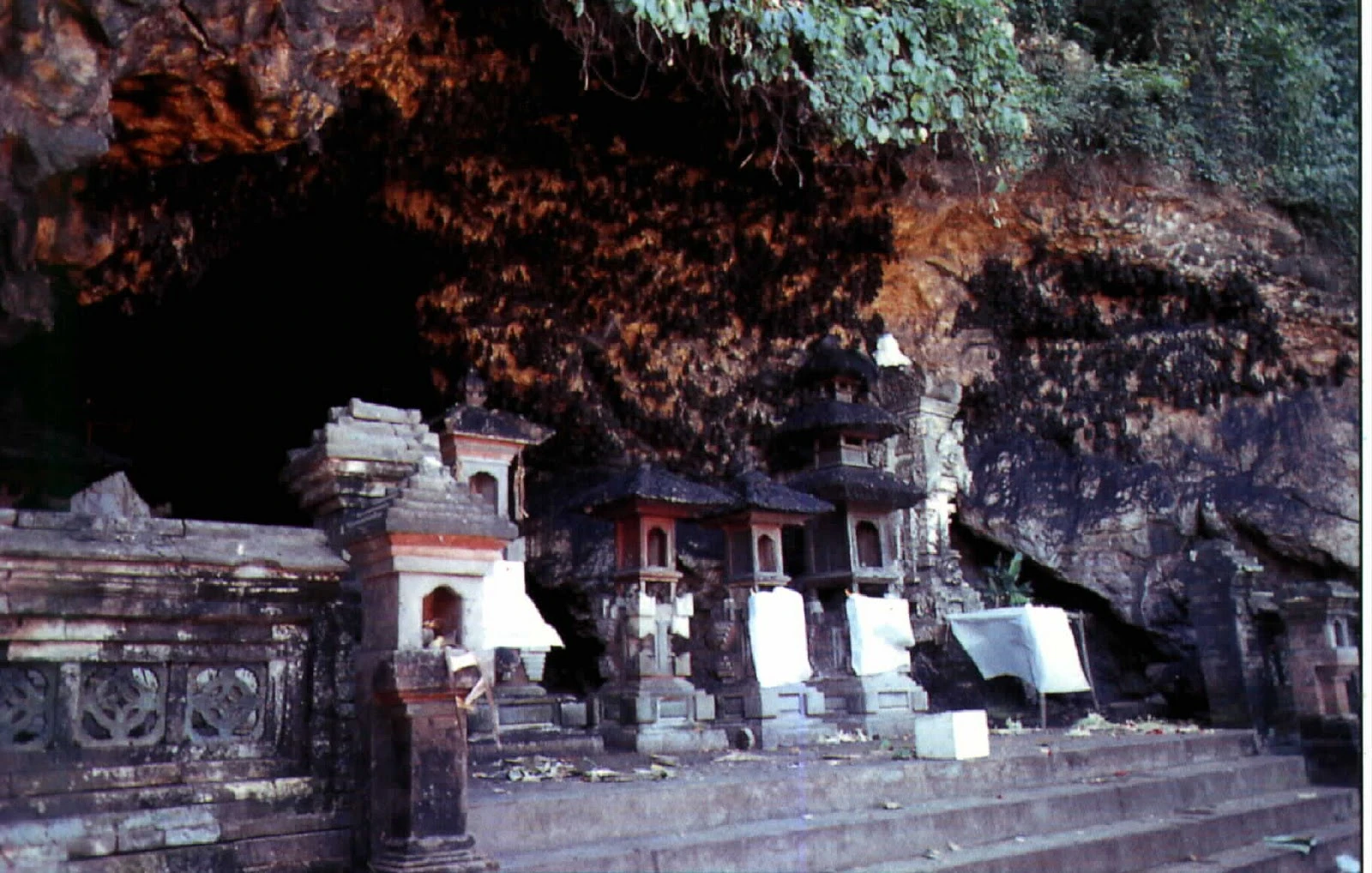
You may think that a village famously associated with death will be a grim experience, but everything about it oddly suffuses peace. The place of worship is unlike other ‘temples’ in Bali. There are no big shrines here; instead, sacred trees and a sacred boulder are found, remnants of Bali’s indigenous animist beliefs. Whilst there are shrines, the trees and boulders are considered the seats, on which the ancestors or deities descend. It truly is an intimate final resting ground for the villagers deceased.
The Locations
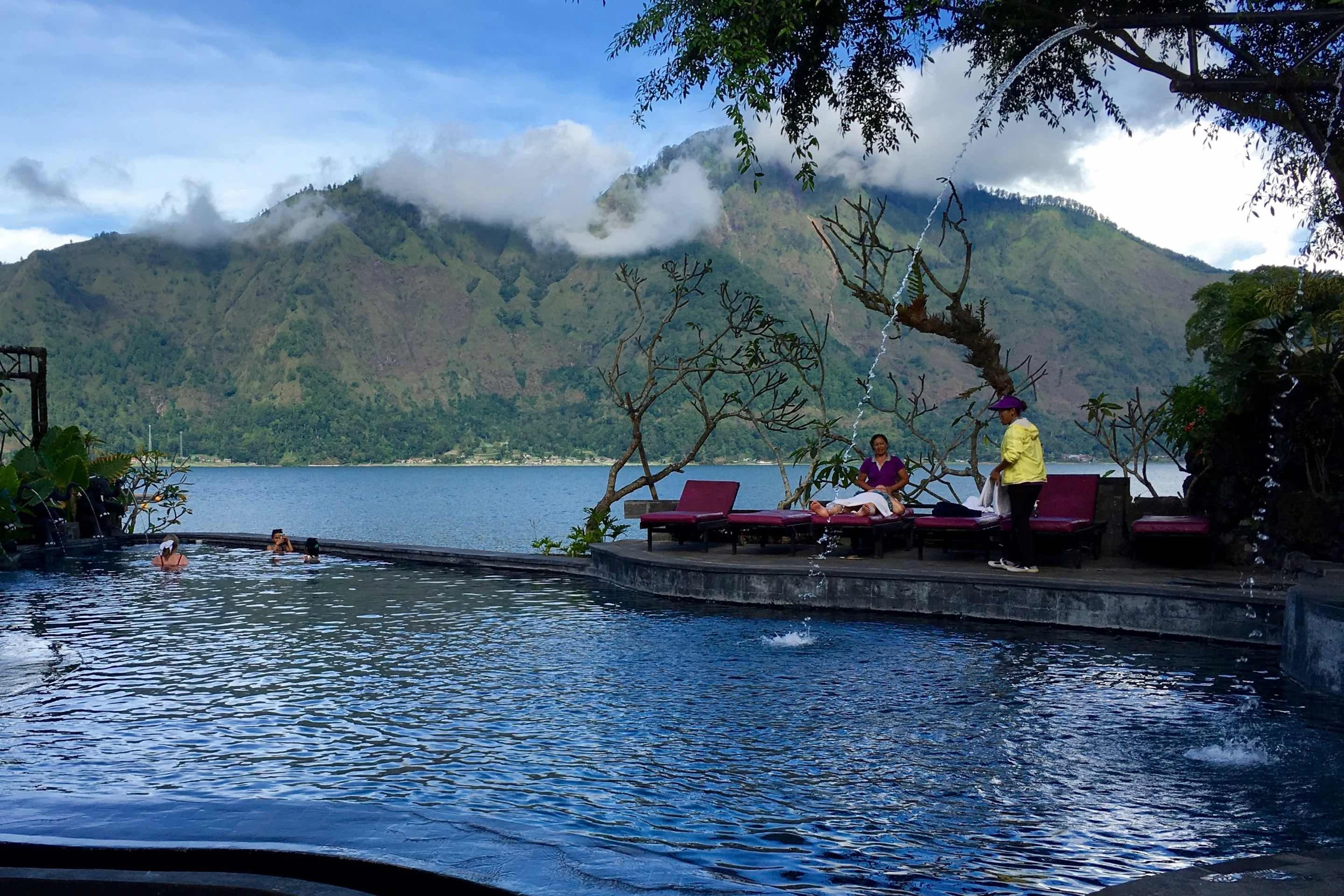
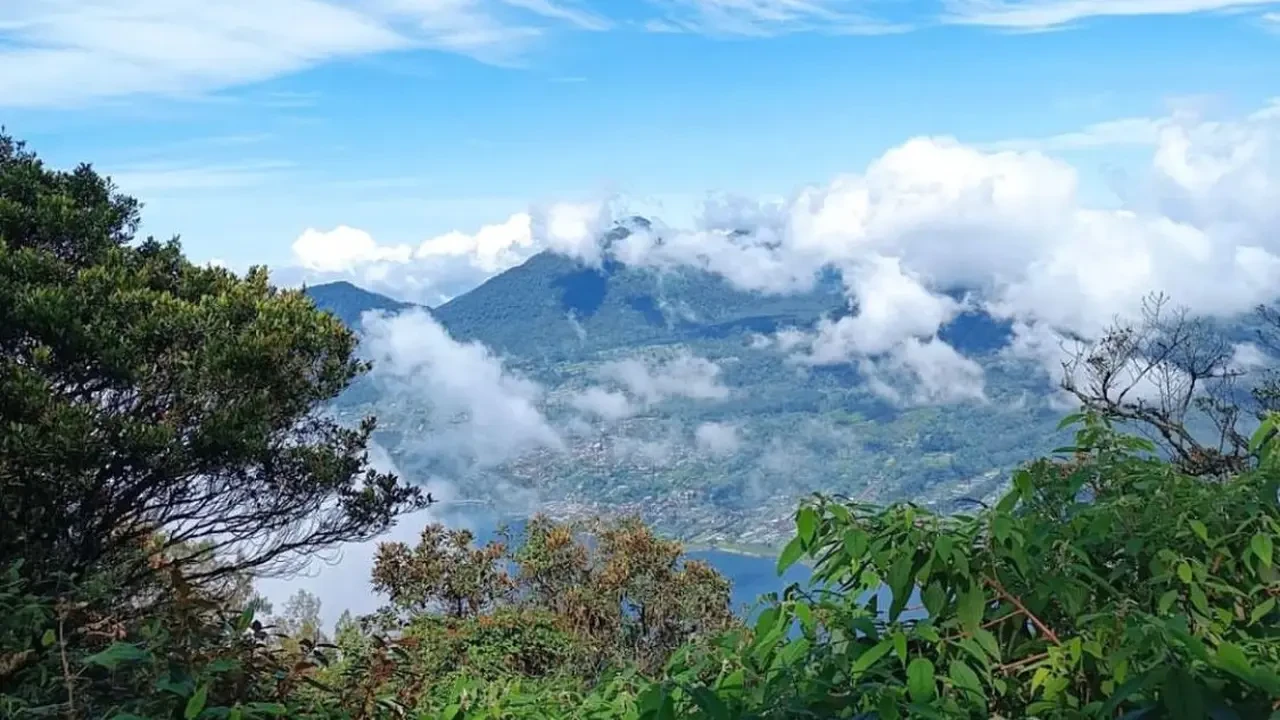
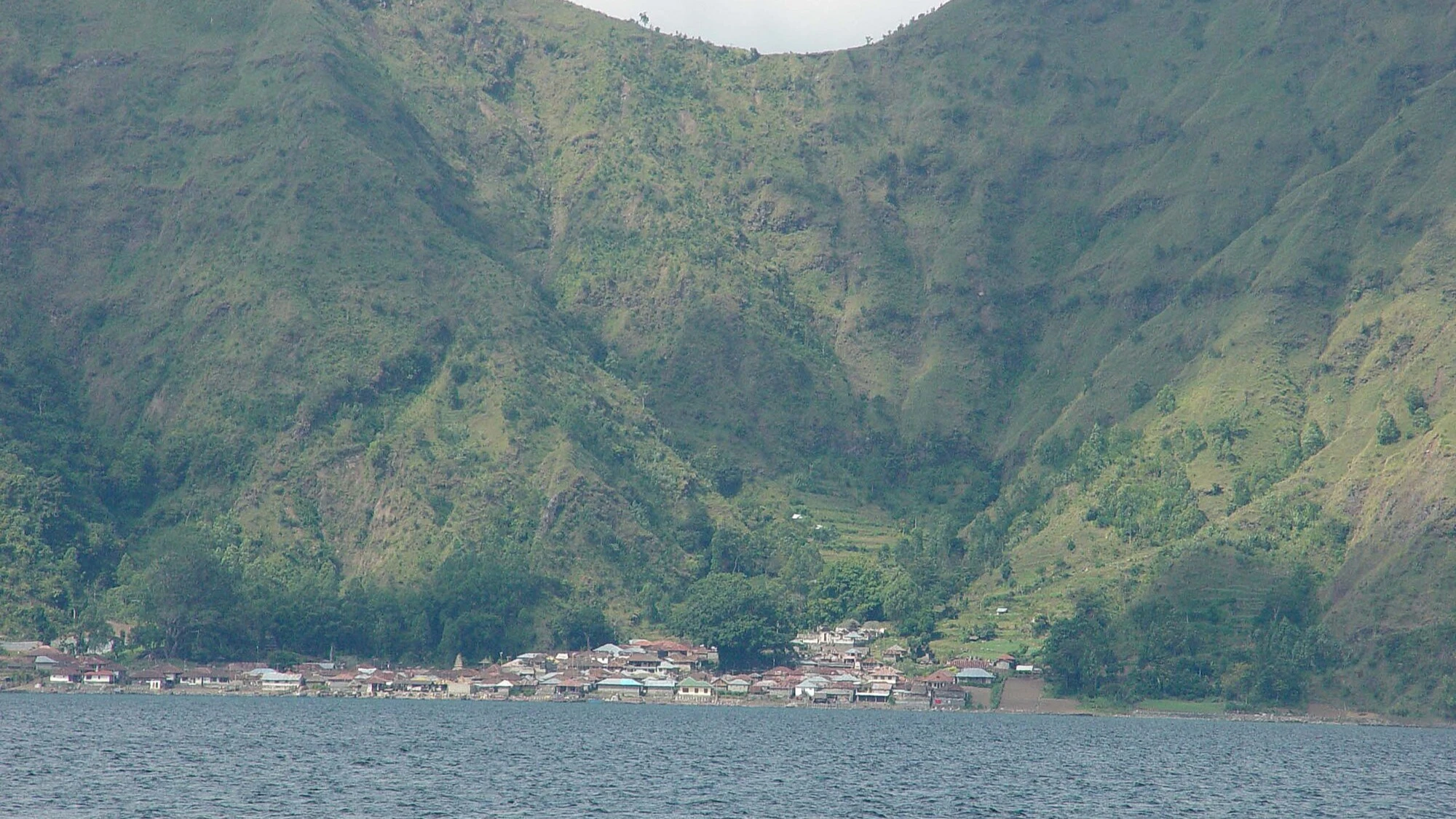
Trunyan is located on the eastern shore of Lake Batur in Kintamani District, Bangli Regency, directly facing the calm waters of the lake and surrounded by the dramatic slopes of Mount Batur’s caldera. Traditionally, visitors reached the village by crossing the lake by boat from Kedisan Village or nearby docks. Today, land access along the lakeshore is also available. This relatively isolated setting separates, and it plays an important role in keeping village culture alive.
Their Traditions
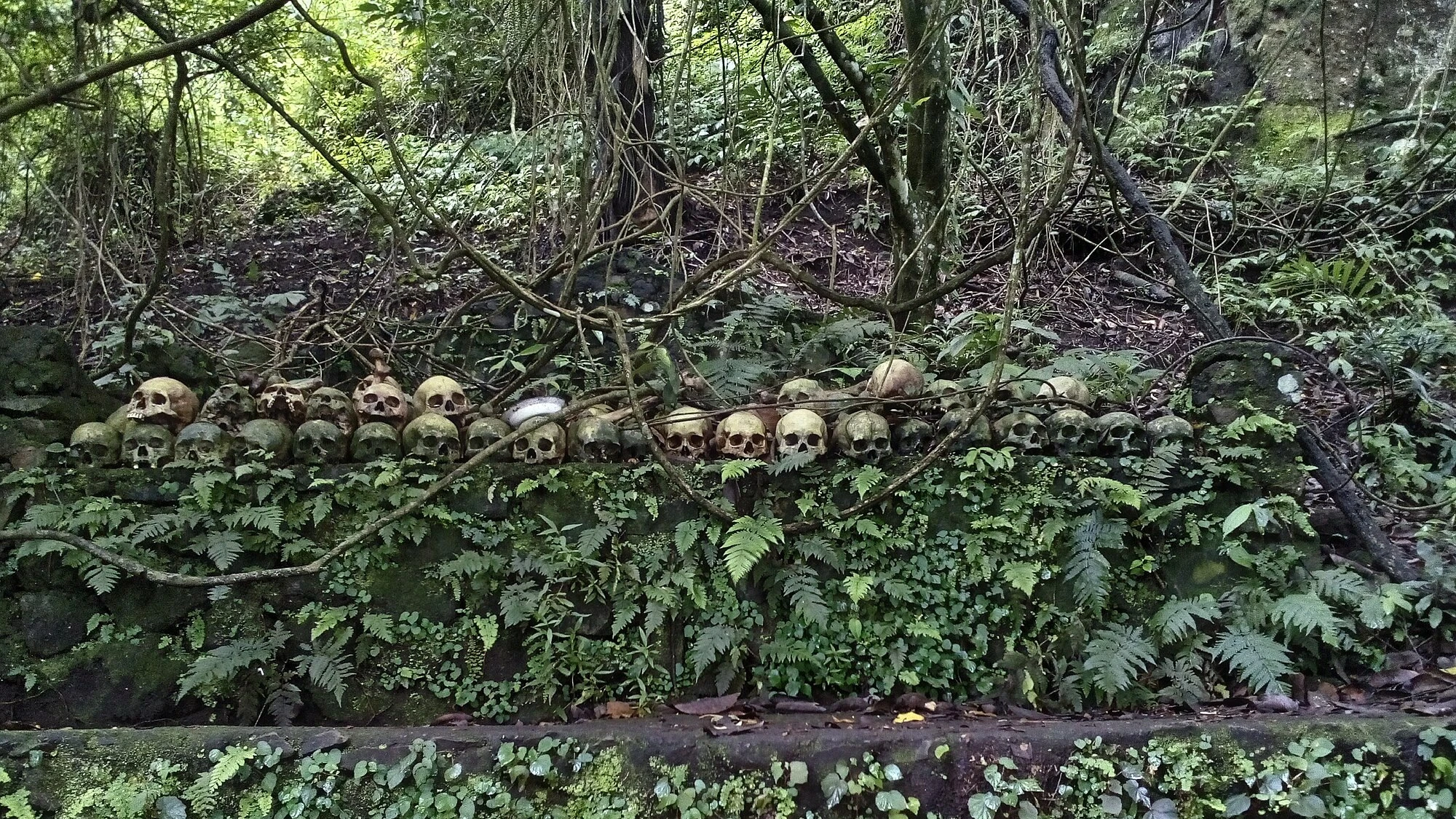
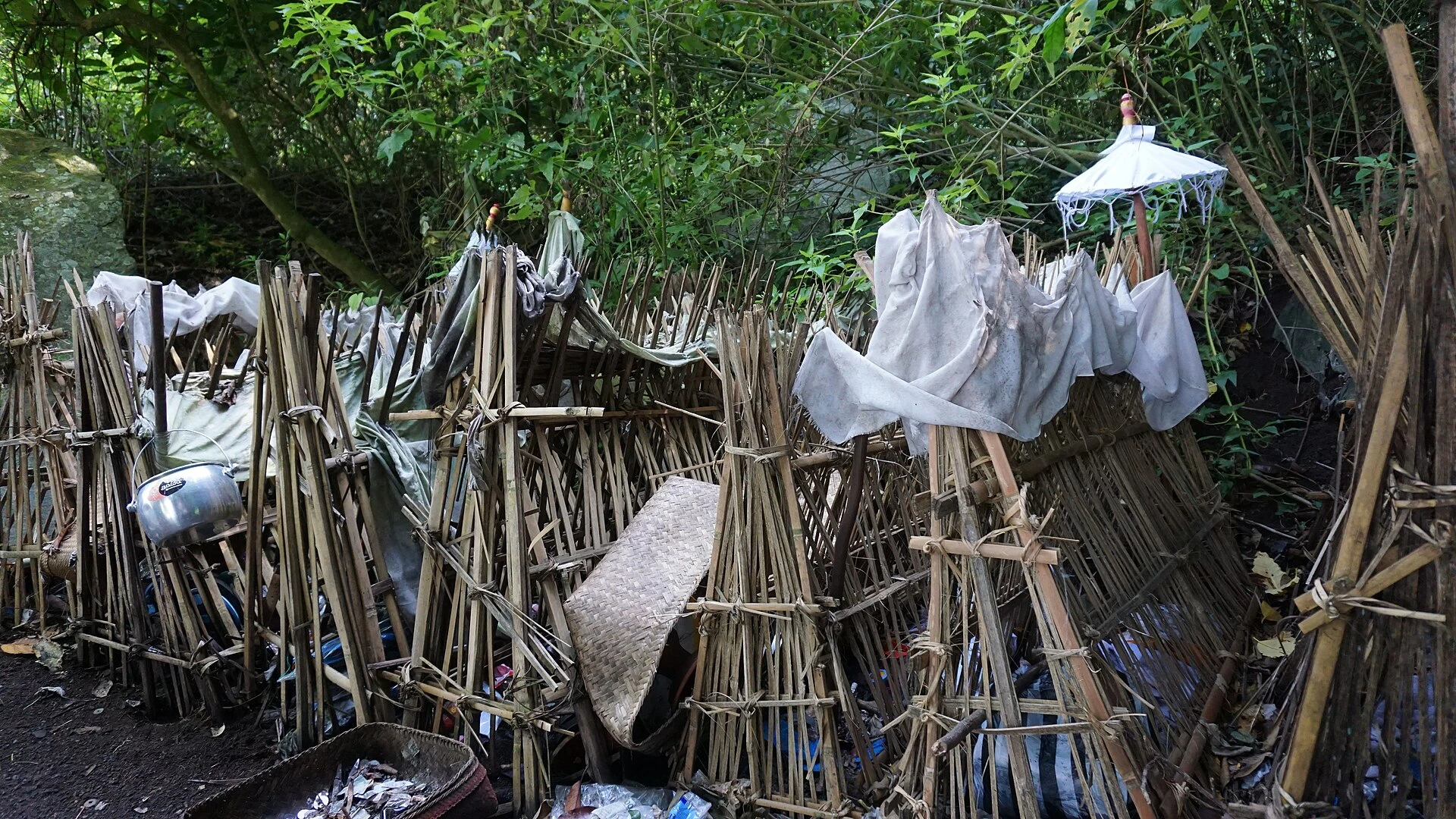
Trunyan’s most well-known cultural feature is the mepasah burial ritual, which stands in sharp contrast to the cremation (ngaben) practiced by most Balinese Hindus. In Trunyan, certain bodies are neither buried nor cremated. Instead, they are laid on the ground in specific positions within a designated cemetery beneath the Taru Menyan tree. Each body is covered with a bamboo enclosure to protect it from animals, while decomposition occurs naturally. It is believed that the fragrance of the Taru Menyan tree neutralizes any unpleasant odors, allowing several bodies to rest in the area without producing a strong smell. Once decomposition is complete, the remaining skulls and bones are carefully arranged on stones or simple altars, becoming part of a sacred and respected funerary landscape. Not everyone qualifies for this burial method; eligibility depends on customary status, cause of death, and the capacity of the burial area.
The Mepasah tradition makes it one of the rarest cultural heritages in Bali. The holiday atmosphere in Trunyan is calm, mystical, and authentically traditional, offering cool views of Lake Batur and the well-preserved lifestyle of the Bali Aga village. Tourists should visit this place to experience a culture that is distinct from most parts of Bali, while also enjoying the natural beauty and local wisdom that can only be found here.
Guidelines For Tourists
Visiting a sacred place means you need to be respectful and good manners. Wear modest clothes and follow what local guides or elders tell you when you are in the burial area. Do not take or move anything there, including coins or personal items placed near the bodies as offerings. Even if the rows of human skulls look interesting for photos, always ask permission before taking pictures in certain spots. The people of Trunyan will be very friendly if you respect their traditions.
Interesting Places Around Trunyan Village
In Trunyan Village, there is a sacred place called Pancering Jagat Temple. Here, you can see a traditional performance of Barong Brutuk. For the local people, Barong Brutuk represents the rulers of Trunyan Village, known as Ratu Sakti Pancering Jagat and Ratu Ayu Pingit Dalem Dasar. This performance is very special because it only happens once every two years. It takes place during the Ngusaba Kabat ceremony at Pancering Jagat Temple.
Not everyone can become a Barong Brutuk performer. Only selected people are allowed to perform. They must go through a purification process or isolation for 42 days. During this time, they are not allowed to have contact with women. Usually, the performers are men. The Barong Brutuk costume is made from dried banana leaves, and they wear masks to cover their faces. These masks are different from the ones in Bali souvenir shops.
How to get to Trunyan Village?
To reach Trunyan Village, there are two main routes. The most favorite way is by boat across Lake Batur. Visitors first go to the Kintamani area, then continue to Kedisan Harbor, where the trip continues by boat for about 20–30 minutes across Lake Batur until reaching Trunyan. This route offers beautiful views of the lake and surrounding mountains.
Besides traveling by lake, Trunyan Village can now also be reached by land. Visitors can drive from Kintamani to Trunyan using the road that follows the edge of Lake Batur. For comfort and better cultural understanding, many tourists choose to use local guides or join organized tours. Guides help with transportation, explain local traditions, and make sure visitors respect the sacred nature of Trunyan Village.
Trunyan Village is not only a tourist destination, but also a place where Bali’s local traditions are still preserved. Its unique burial traditions, strong culture, and calm village atmosphere make Trunyan a place that offers a different experience for every visitor. If you are looking for a memorable journey rich in cultural values, Trunyan Village deserves to be on your travel list. Let us explore Trunyan with respect, help preserve its traditions, and experience this cultural heritage.