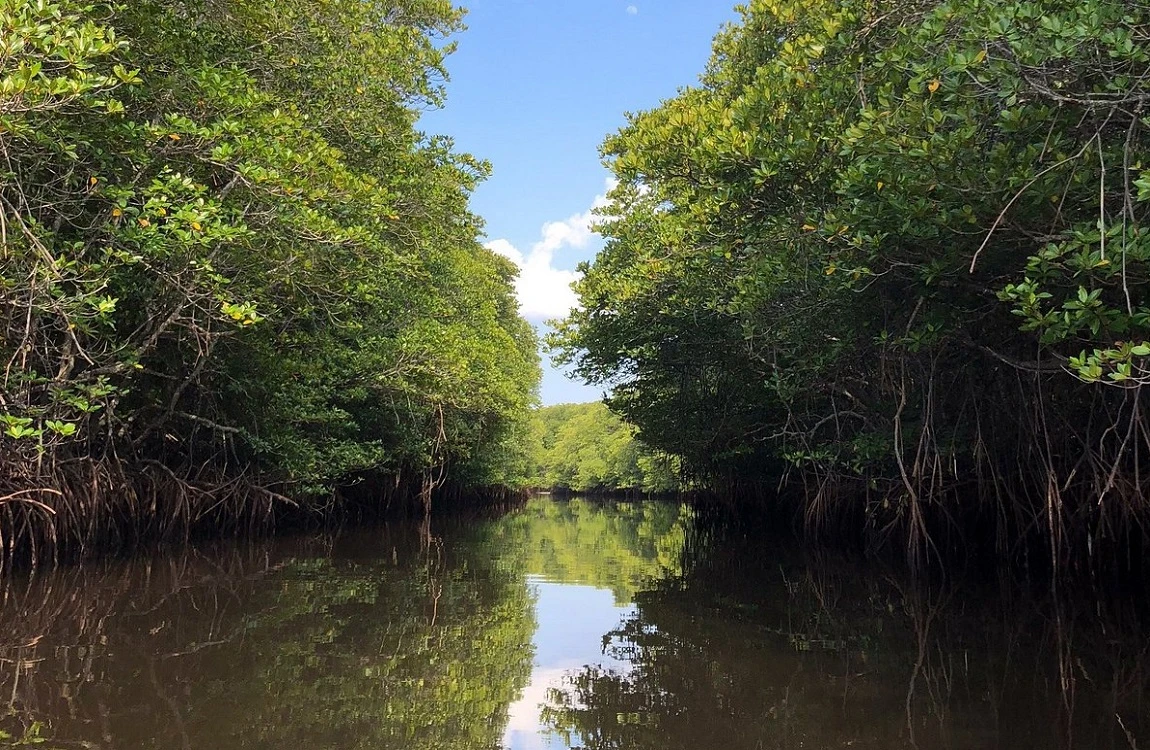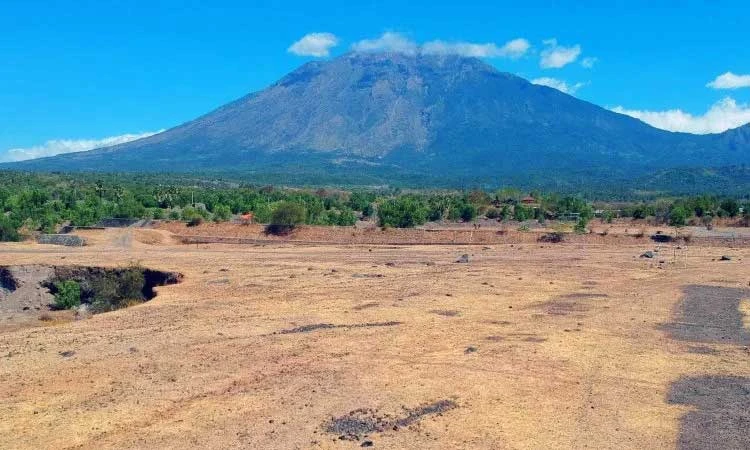

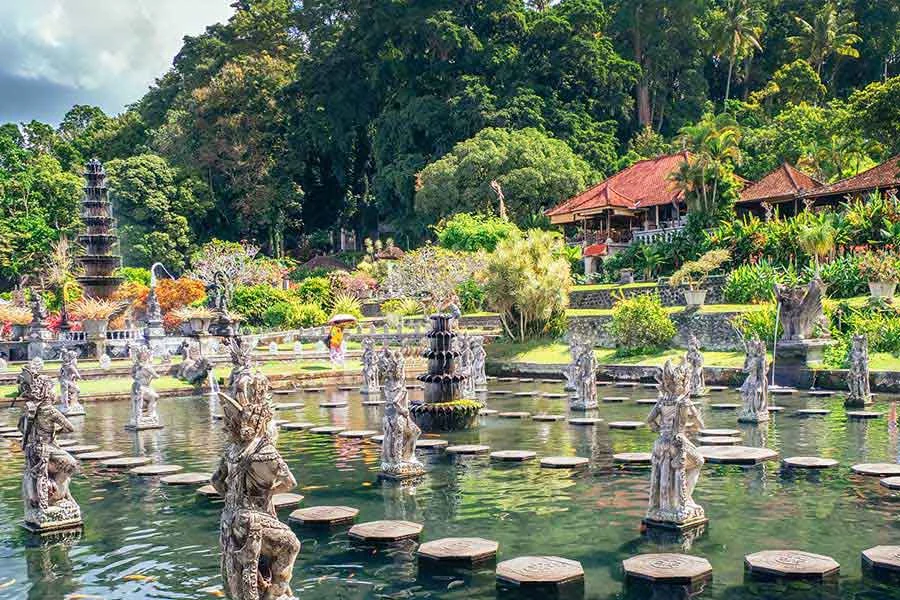
During the 18th and 19th centuries, Karangasem was the most powerful kingdom in Bali, although it briefly became a vassal of Lombok in the mid-1800s. Covering 861 square kilometers, this eastern regency is well known for its breathtaking landscapes, shaped by past lava flows from Mount Agung, Bali’s highest and most sacred volcano. You will find beautiful terraced rice paddies on the lower southeastern slopes, while coffee and clove plantations thrive higher up in the cool air. Along the coast, traditional fishing and salt farming remain an important part of daily life.
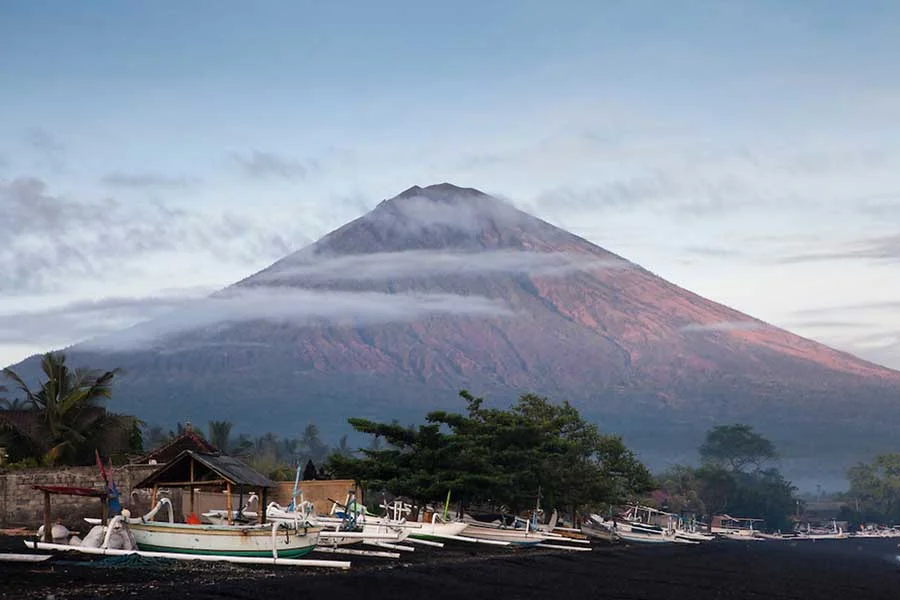
Standing 3,142 meters high, Mount Agung is the spiritual heart of Bali. It famously made global headlines in March 1963 when a massive eruption caused widespread devastation, sending ash as far as East Java and destroying many villages. More recently, between 2017 and 2019, the volcano woke up again with smaller eruptions, a powerful reminder of its active nature. Miraculously, during these events, the mother temple, Pura Besakih—located just six kilometers from the crater—suffered little damage. Today, Besakih is Bali's largest and most important Hindu temple complex, featuring about 30 separate temples spread across seven terraces. Every district in Bali has its own shrine here to honor God Almighty (Ida Sang Hyang Widhi Wasa) and other deities.
If you want to climb Mount Agung, you must hire a local guide and request permission from the temple authorities, as hiking is strictly forbidden when religious ceremonies are taking place. The trek takes about 6 to 8 hours, usually starting very early in the morning from the village of Sebudi or Pasar Agung to catch the sunrise.
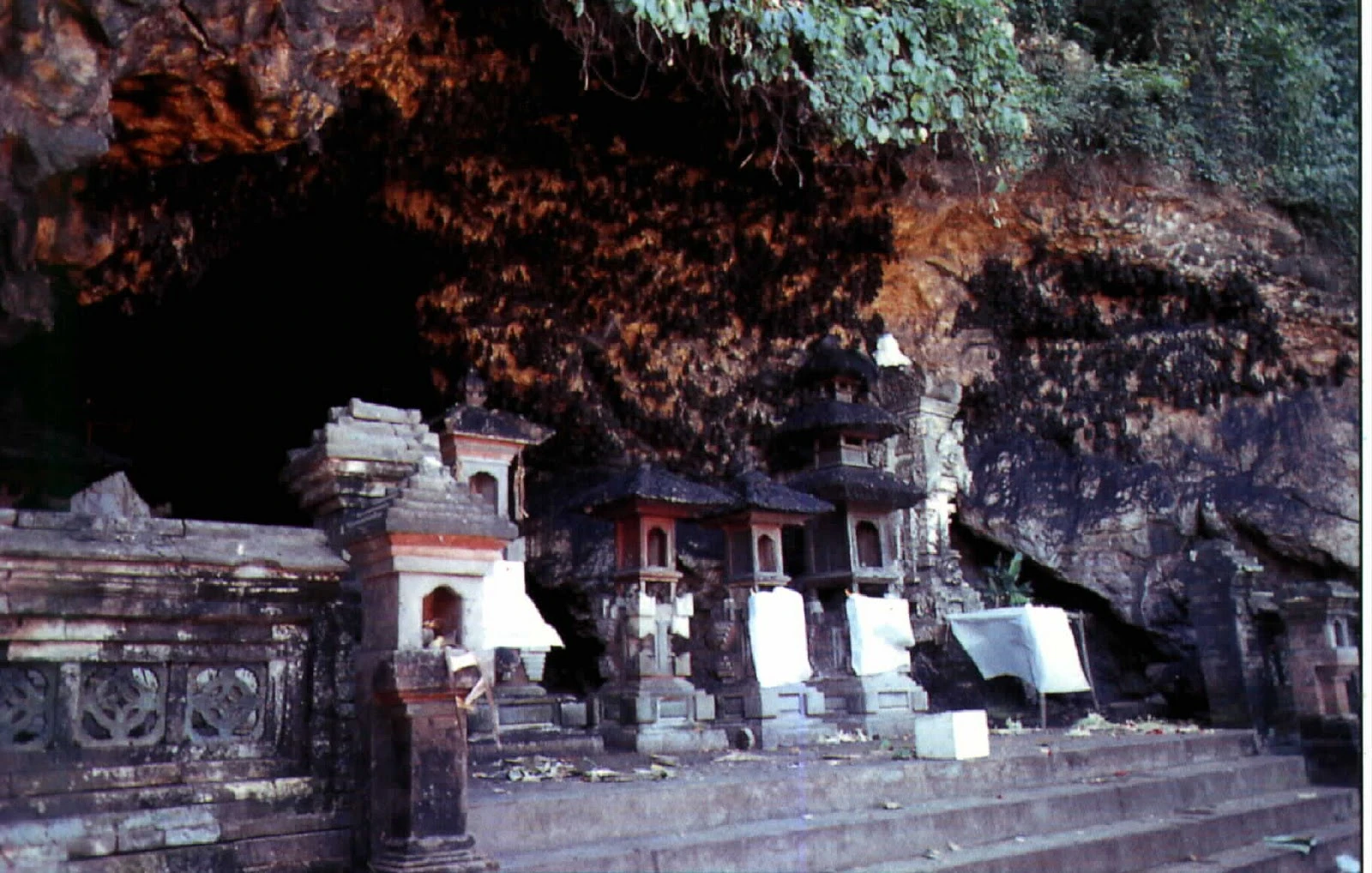
On the coast, Padang Bai serves as the main gateway to the neighboring islands. Once a quiet fisherman's village, it is now a bustling port filled with ferries and fast boats heading to Lombok and the Gili Islands. Despite the busy harbor, it still hides beautiful spots like the picturesque Blue Lagoon beach. Further up the eastern coastline, the areas of Amed and Tulamben have grown into world-famous diving and snorkeling destinations, loved for their vibrant coral reefs and historic shipwrecks.
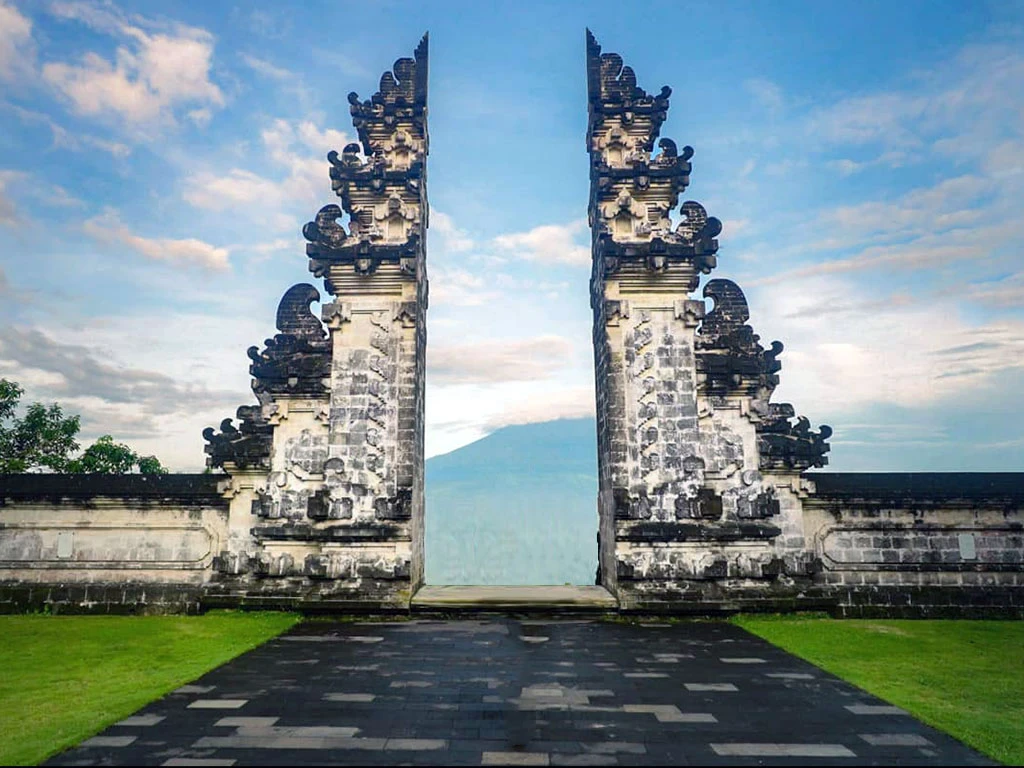
Inland from the coast, you can visit Tenganan, a traditional Bali Aga (original Balinese) village. It is one of the few communities that resisted the Majapahit invasion in 1343. Tenganan is famous for its unique "Geringsing" double-ikat fabric and ancient palm-leaf (lontar) books. Just a short drive away is Candidasa. Once a sleepy fishing village, it has now developed into a popular resort area offering plenty of accommodations, oceanfront restaurants, and cafes with fantastic views of the water and Mount Agung. To complete your modern East Bali trip, be sure to visit the area's stunning royal water palaces like Tirta Gangga, or take a photo at the iconic "Gates of Heaven" at Lempuyang Temple.