In Bali, you’ll find a wide variety of fishing techniques, each shaped by the island’s rich waters and diverse marine life. From trolling and popping along the surface to deep, vertical jigging offshore, every method offers a different kind of experience. As you explore these options, you’ll notice that each technique isn’t just about catching fish; it’s also about how you connect with the environment and the style of fishing that suits you best.
Choosing the right technique matters more than you might think. Your experience level, physical comfort, and personal fishing style all play a role in determining what will work best for you. Some methods demand quick reflexes and active movement, while others rely on patience and rhythm. Picking a technique that aligns with your abilities can make your fishing trip far more enjoyable and increase your chances of success. Whether you’re new to fishing or ready to try something different, this introduction will help you find your footing before you head out onto the water.
Overview of Fishing Techniques in Bali
Trolling Fishing Bali
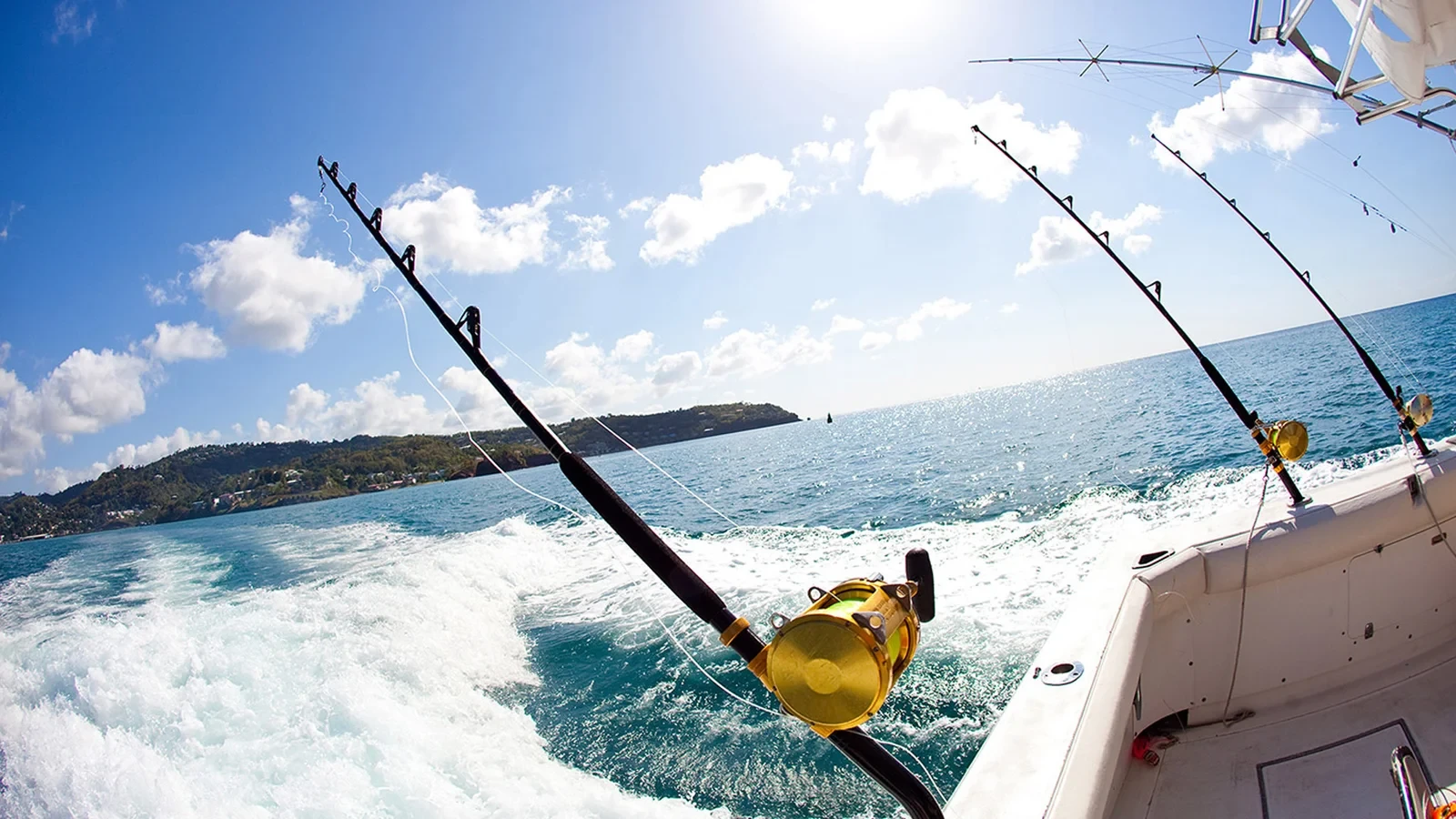
Of all angling techniques, you’ll likely find trolling to be one of the most popular and versatile. The concept is simple: you set up your line with a lure or bait and let it trail behind your boat, mimicking a live baitfish. When a fish strikes, you’ll hear your reel scream, grab your rod, and the real battle begins. The best part is that trolling works in both freshwater and saltwater.
This means you can target a wide range of game fish wherever you go. In freshwater, you might catch Salmon, Bass, or Walleye, while in saltwater, you could hook Barracuda, Wahoo, Billfish, or Tuna. In short, trolling gives you access to many of the most exciting fish species, whether you’re just starting out or already an experienced angler. An activity that’s perfect to do with your friends or beloved family. It’s a great way to spend quality time together and create lasting memories.
Jigging Bali
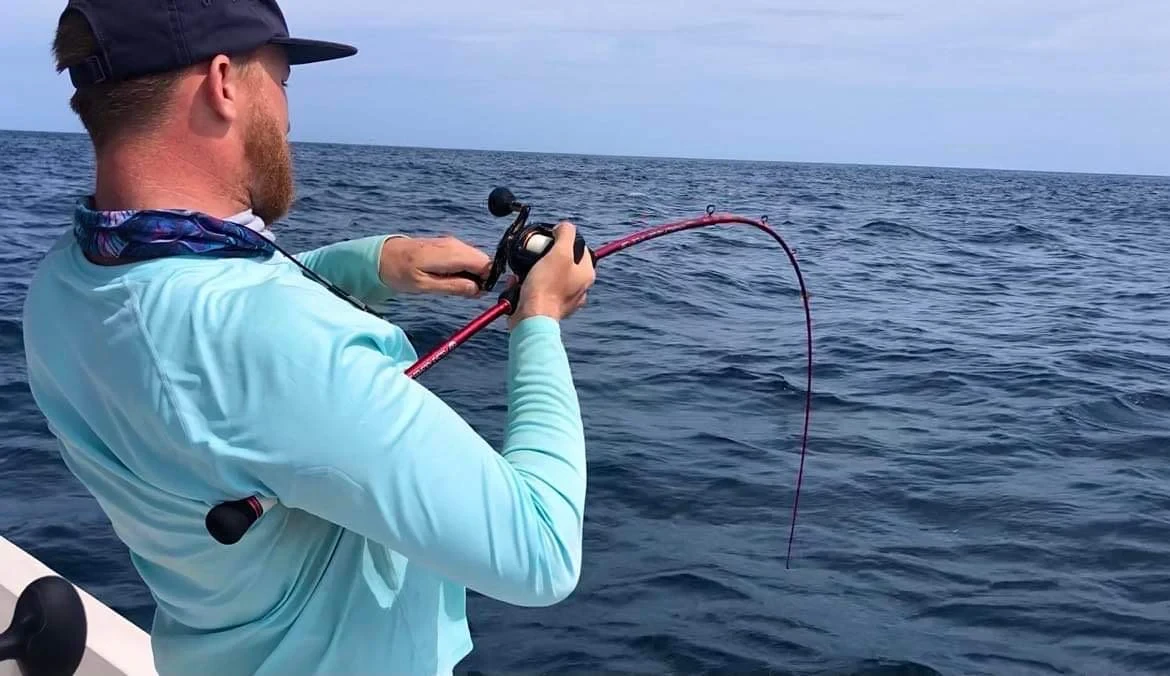
Jigging is a fishing technique developed by Yoichi Mogi in 1990, and it has since become widely popular across Europe, Asia, the Americas, and Oceania. As a reader, you can think of jigging as an exciting vertical fishing method that gives you the chance to hook large fish beneath the surface. To use this technique, you lower a metal lure, called a jig, down into the water, then reel it back up. What makes jigging effective is how you vary your movements and speed while retrieving the line. By adjusting these motions, you can make the lure appear more lifelike and increase your chances of attracting fish.
One variation you can try is high-pitch jigging. This method typically uses a jig that is heavier toward the tail. When you drop the jig near coral areas, you should jerk the rod upward while simultaneously turning the reel handle. This creates a sharp, erratic motion that can trigger strikes. Another approach is slow-pitch jigging. In this technique, you use a center-weighted jig. You let it flutter down toward the bottom in a swinging motion, then retrieve it in stages. For example, you might crank the reel to lift the jig about 10–15 feet, then let it fall back down around 5 feet before repeating the motion. This slower, more rhythmic action can be especially effective for enticing cautious fish. With jigging, the key is control and variation, once you get the feel for it, it becomes a highly engaging and rewarding way to fish.
Popping Fishing Bali
For fishing enthusiasts, popping is one of the most thrilling techniques out there, with excitement on every cast. Still, not everyone is familiar with how it actually works. At its core, popping belongs to the casting family of fishing techniques. However, it uses a relatively long rod, typically around 180 to 210 cm, usually made in two pieces and fitted with large guides. These guides allow the line to flow smoothly during casting and retrieval. A longer rod also helps you cast your lure farther, covering more water.
The artificial lures used in popping generally come in two types. The first is called a chugger, which has a flat or concave head shaped like a small cup. When jerked across the water’s surface, it creates a distinctive “pop, pop, pop” sound as it splashes, hence the name popper. The second type is known as a pencil lure. It has a pointed head and is worked differently: instead of sharp jerks, it’s retrieved with a steady pull, creating a smooth, enticing movement. With this technique, you’ll experience a truly exhilarating style of fishing that keeps you on edge with every strike.
Coral/Bottom Fishing
You’ll find that some fish are bottom feeders—true masters of ambush and disguise. Unlike pelagic species, they wait patiently for bait fish to swim by unsuspectingly before striking. That’s where bottom fishing comes in. All you need to do is set up your rig with an enticing piece of bait, drop it near the bottom, and let nature take its course.
You can try bottom fishing in rivers and lakes and reel in species like Bass, Perch, Catfish, and Carp. Prefer saltwater? No problem—you can target Snappers, Groupers, Flounder, Halibut, Amberjack, and Tilefish. Just like with trolling, you can adjust and refine your bottom fishing approach to match your own angling goals. That flexibility is what makes it so great!
Comparison Table of Techniques
| Technique | Difficulty | Target Fish | Best For | Atmosphere | Recomended Package | |
| Trolling | Easy | Tuna, Mahi-Mahi | Beginners, Families | Relaxed, Guided | [Trolling Package] | |
| Jigging | Advanced | Trevally, Barracuda | Experienced Anglers | Technical Focused | [Jigging Package] | |
| Popping | Intermediate-Advanced | Giant Trevally, King Fish | Adventure Seekers | Exciting Adrenaline | [Popping Package] | |
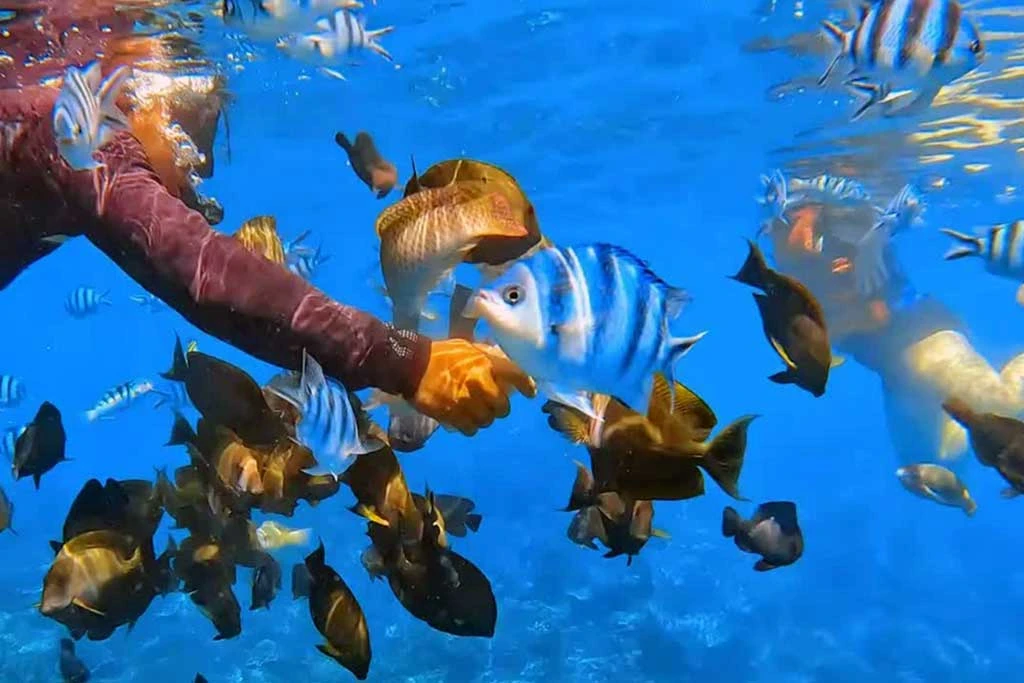
| Coral Fishing | Easy | Reef Fish, Snapper | Beginners, Kids | Calm, Family-friendly | [Coral Fishing Package] |
How to Choose the Right Style
Fishing has become one of the most popular activities for tourists visiting Bali. Not only does it offer breathtaking ocean scenery, but it also gives you a perfect blend of relaxation and unforgettable adventure. To make the most of your fishing trip, there are several key things you should consider, such as choosing the right fishing destination, picking the best time to go, and matching the activity with the weather conditions and your level of experience.
With various fishing techniques available, beginners are encouraged to try coral fishing or trolling, as these methods are relatively easy to learn and don’t require advanced skills. If you’re more experienced, techniques like popping and jigging can offer a more exciting and rewarding challenge. Balisuta.com provides a wide range of fishing packages across Bali’s top locations, allowing you to choose the experience that best suits your preferences and needs.
Booking Your Fishing Experience
Bali is a fishing paradise that offers a variety of locations to suit every angler’s preference. Whether you’re fishing from the calm shores of Sanur or exploring the deep waters around Nusa Penida, the island promises an unforgettable experience. From the beginner-friendly waters of Tanjung Benoa to the thrill of deep-sea adventures in Padang Bai, Bali’s waters are ready to welcome you. If you’re still unsure which technique suits you best, BaliSuta.com can help make your experience even more memorable. In addition, you can also find our special offers the best packages during your stay in Bali.
Conclusion
As you can see, fishing techniques can be a complex topic that deserves a dedicated encyclopedia. Don’t let that scare you, because they can also be quite simple – as long as you’ve got a seasoned angler to show you the ropes! That’s why it’s always a good idea to consider going fishing with a guide. And for that, you don’t even have to travel far; there’s usually someone in your area to help you out.
Our best advice is to try a few different types of fishing and techniques before you decide what you really like. Then you can spend some time honing your skills and catching awesome fish before you move on to the next technique you want to master. It’s probably going to take some time and patience, but that’s what fishing is all about!