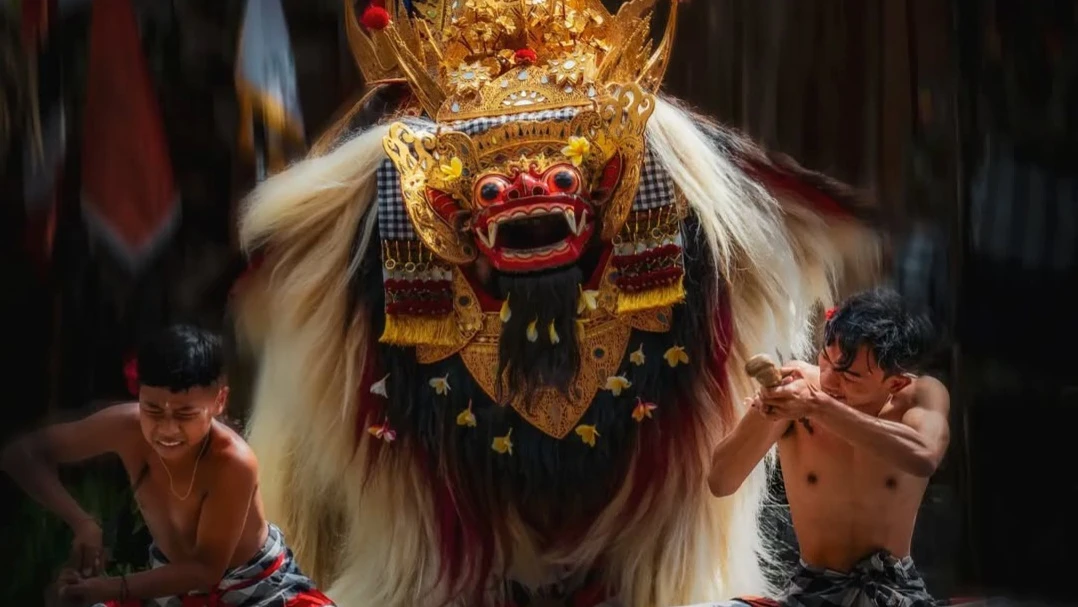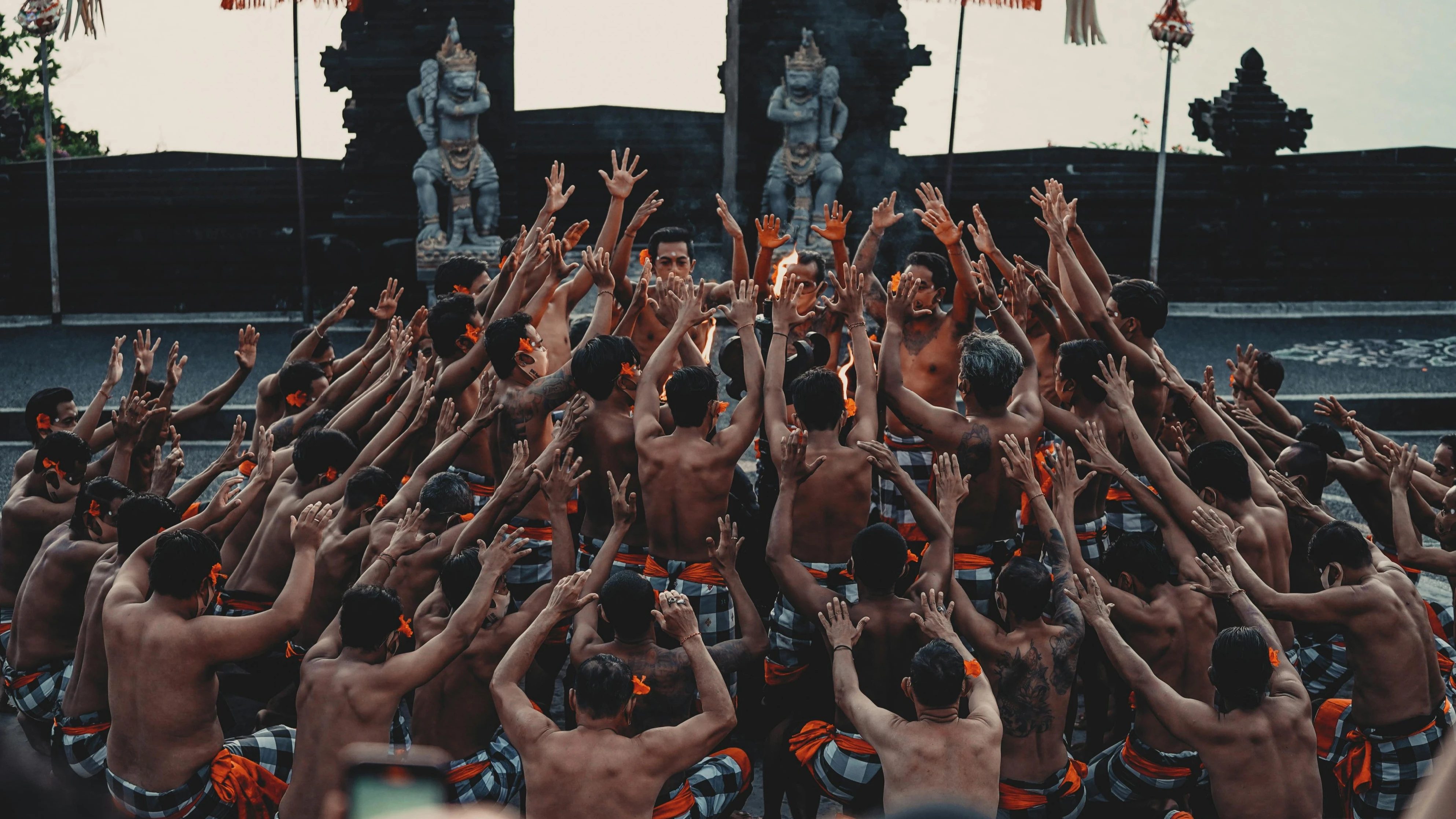
Galungan is a Holy Day for Hindu people to celebrate the victory of Dharma (goodness) against Adharma (evil). Galungan is celebrated every 210 days, or every 6 months. The series of events includes: Penyajaan day, Penampahan day, Galungan Day, and Umanis Galungan Day. Penyajaan, Penampahan, Galungan, and Umanis Galungan always fall on Monday, Tuesday, Wednesday, and Thursday. Usually, the Balinese peoples starting busy from Monday (Penyajaan), especially for Balinese womens and then the next day is a Penampahan day, the whole family starts busy preparing all things.
Here are the Galungan Day dates for the next 10 years:
| Year | Date |
|---|---|
| 2026 | 17 June 2026 |
| 2027 | 13 January 2027 & 11 August 2027 |
| 2028 | 8 March 2028 & 4 October 2028 |
| 2029 | 2 May 2029 & 28 November 2029 |
| 2030 | 26 June 2030 |
| 2031 | 21 January 2031 & 20 August 2031 |
| 2032 | 10 May 2032 & 27 November 2032 |
| 2033 | 14 June 2033 & 31 December 2033 |
| 2034 | 19 July 2034 |
| 2035 | 5 February 2035 & 22 September 2035 |
4 important days you Should Know About Galungan Day in Bali
1. Penyajaan Galungan
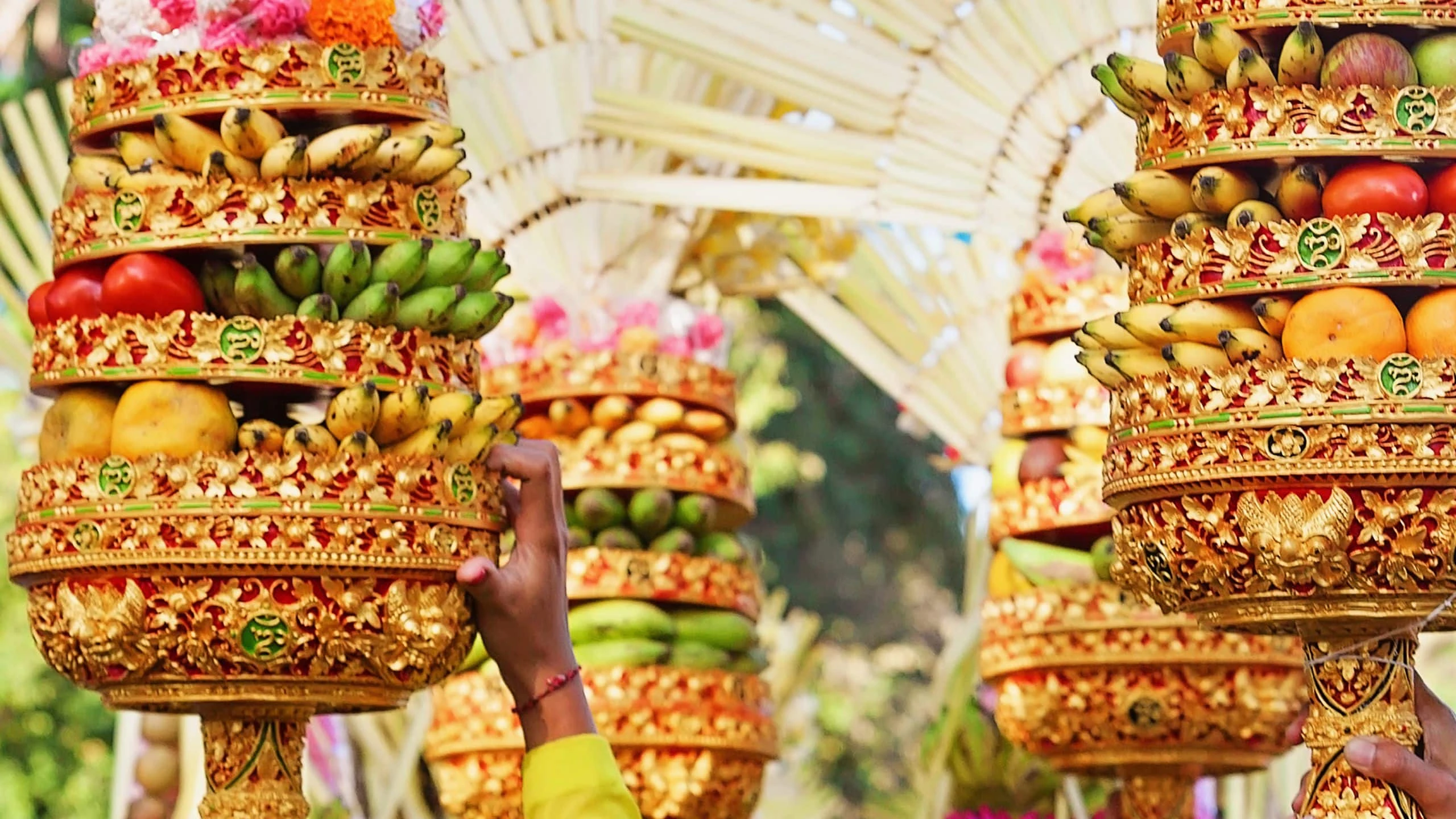
Penyajaan comes from the root word of Jaja in the Balinese language, that meant cake in English. Penyajaan Galungan is a special day to start making a Balinese cake for Galungan day. Those cakes are made in traditional ways and use local ingredients, like suji leaves to make the color green, turmeric to make the color yellow, and others. Galungan cake traders, they are already using modern food dyes to speed up the cake-making process. All of this traditional cake will be used to make an offering on Galungan day.
The real meaning of Penyajaan day is to prepare yourself for sorting out which is goodness (Dharma) and which is evil (Adharma) through Yoga or Tapa Brata, and Balinese people reflect it by making a good quality of Jaja Bali (Balinese Cake).
2. Penampahan Galungan
One day before Galungan, Balinese people do the ritual of Natab Sesayut (Sesayut Pamyak Kala Laramelaradan). Sesayut is an offering made from coconut leaves with some Balinese cake, fruit like banana, orange, and some rice fist. This ritual aims to strengthen self-belief to win Goodness over Evil.
As a tradition, Balinese people prepare processed chicken or pork into Balinese foods like Lawar, Komoh (meat soup), and satay. From here was born the word of Penampahan that in English is Slaughter, slaughtering a chicken, a pig, or an offering.
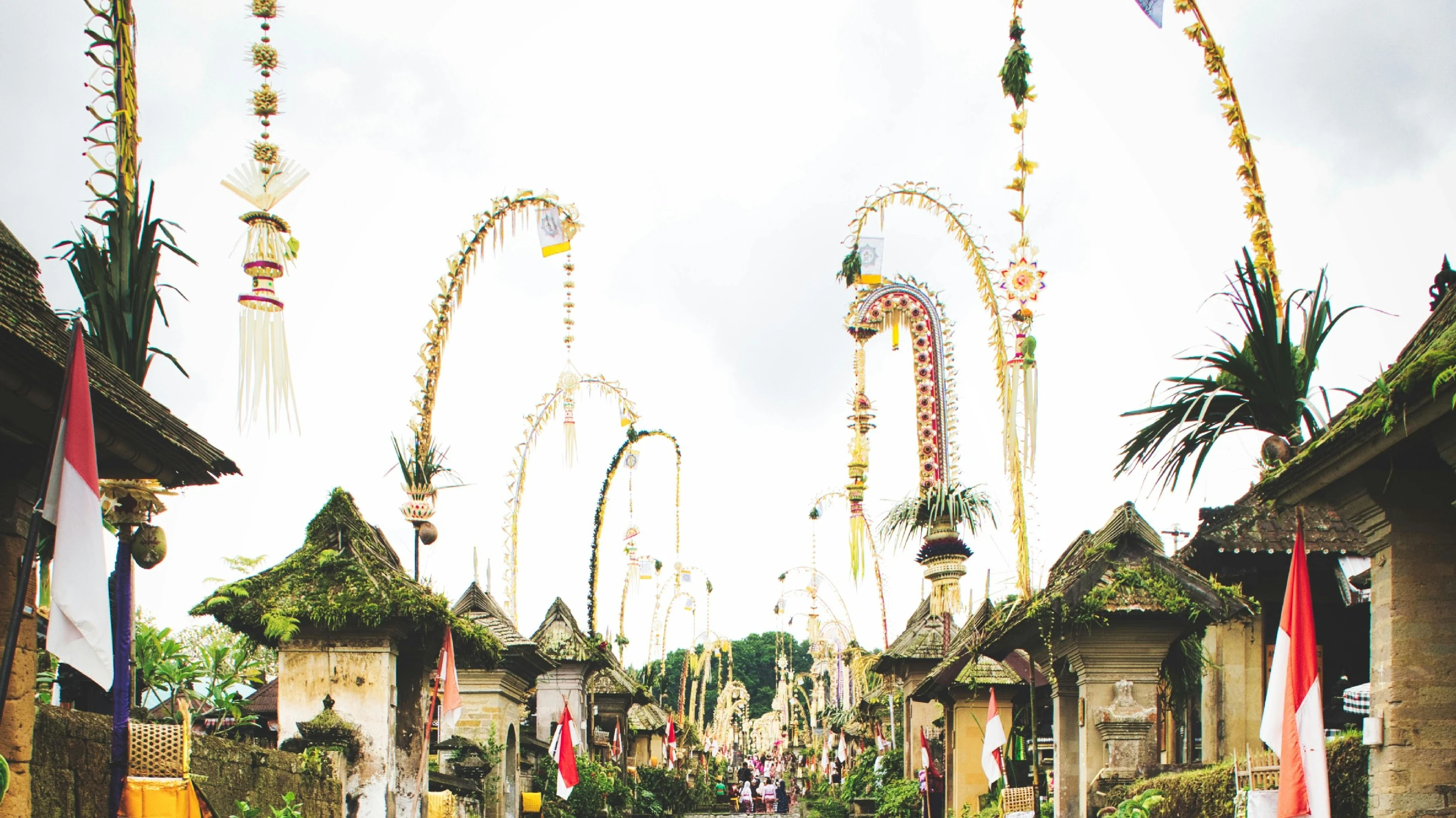
On Penampahan day, Balinese people also prepare a Penjor, a tall bamboo decorated with Palm leaves. Penjor is a symbol of Naga Basuki (Basuki Dragon), which is believed to bring supernatural powers and prosperity. Penjor should be raised on Penampahan day after 12 pm in the afternoon.
3. Galungan Day
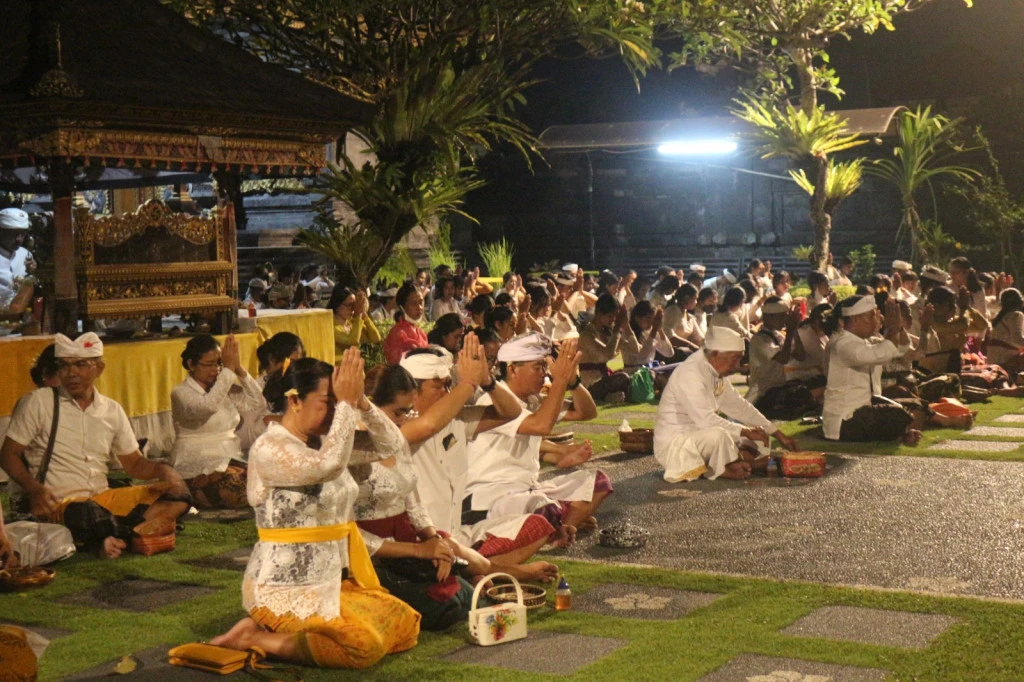
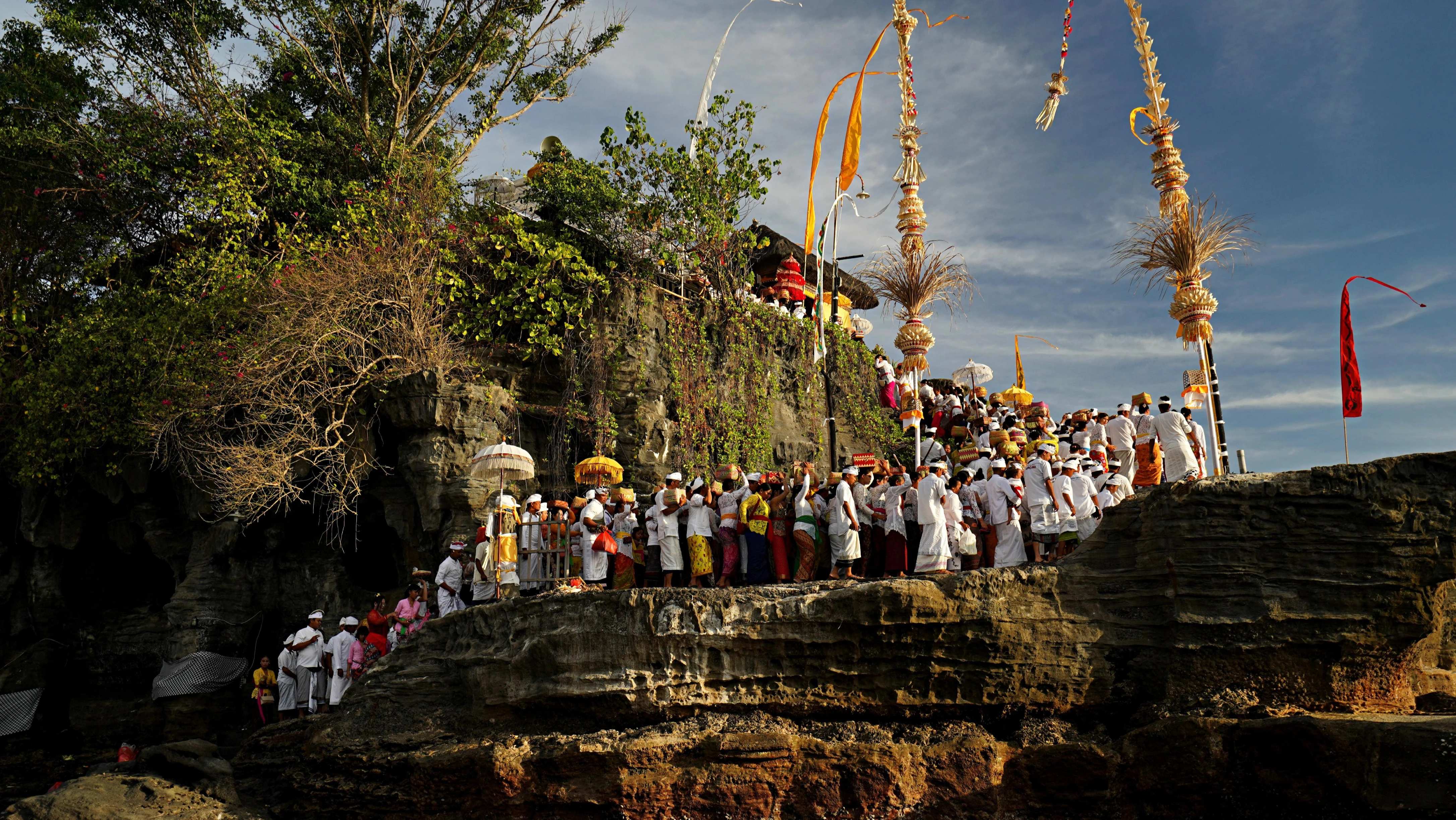
Galungan Day is a day most awaited by Balinese people. After two days of preparation, starting from Monday until this day of Wednesday, all Balinese people dress up neatly, use Destar (traditional hat) for men, a Kebaya for women, a Kamben (sarong), and bring means of praying. From 6 am, all temples in Bali will be full of people praying, even in some villages, people have started praying before sunrise, like 3 am. This might be the best experience when you are at your hotel or in your villa, seeing the harmony of the people praying with the sound of Genta.
Based on the Hindu mythology, the history of Galungan starts from the death of King Mayadenawa. Mayadenawa is a powerful king but has an arrogant and evil nature. Under his leadership, the Balinese people were very miserable, and Mayadenawa issued a ban on worshiping god. People are forbidden to worship god and must worship Mayadenawa himself instead.
Dewa Indra (the king of heaven/king of gods) sent the gods to come down to the world against the king Mayadenawa. There was a terrible war, and the king Mayadenawa was defeated by the gods. Due to this victory, the Balinese people celebrate Galungan as a victory of Dharma (goodness) over Adharma (evil).
4. Umanis Galungan
One day after Galungan day is Umanis Galungan. On this day, Balinese people visit each other, starting from neighbors and family who stay in other villages. On Umanis Galungan, there is also an opportunity to visit recreation areas.
The series of important days after Galungan is Kuningan Day. Kuningan day comes every 10 days after Galungan day, and it is usually on Saturday.