Goa Lawah Temple is one of the most important Hindu temples in Bali, with a history that stretches back more than 1,000 years. Built in the 11th century, this ancient site is not only remarkable for its age but also for its unique and mystical setting that continues to attract both worshippers and visitors alike.
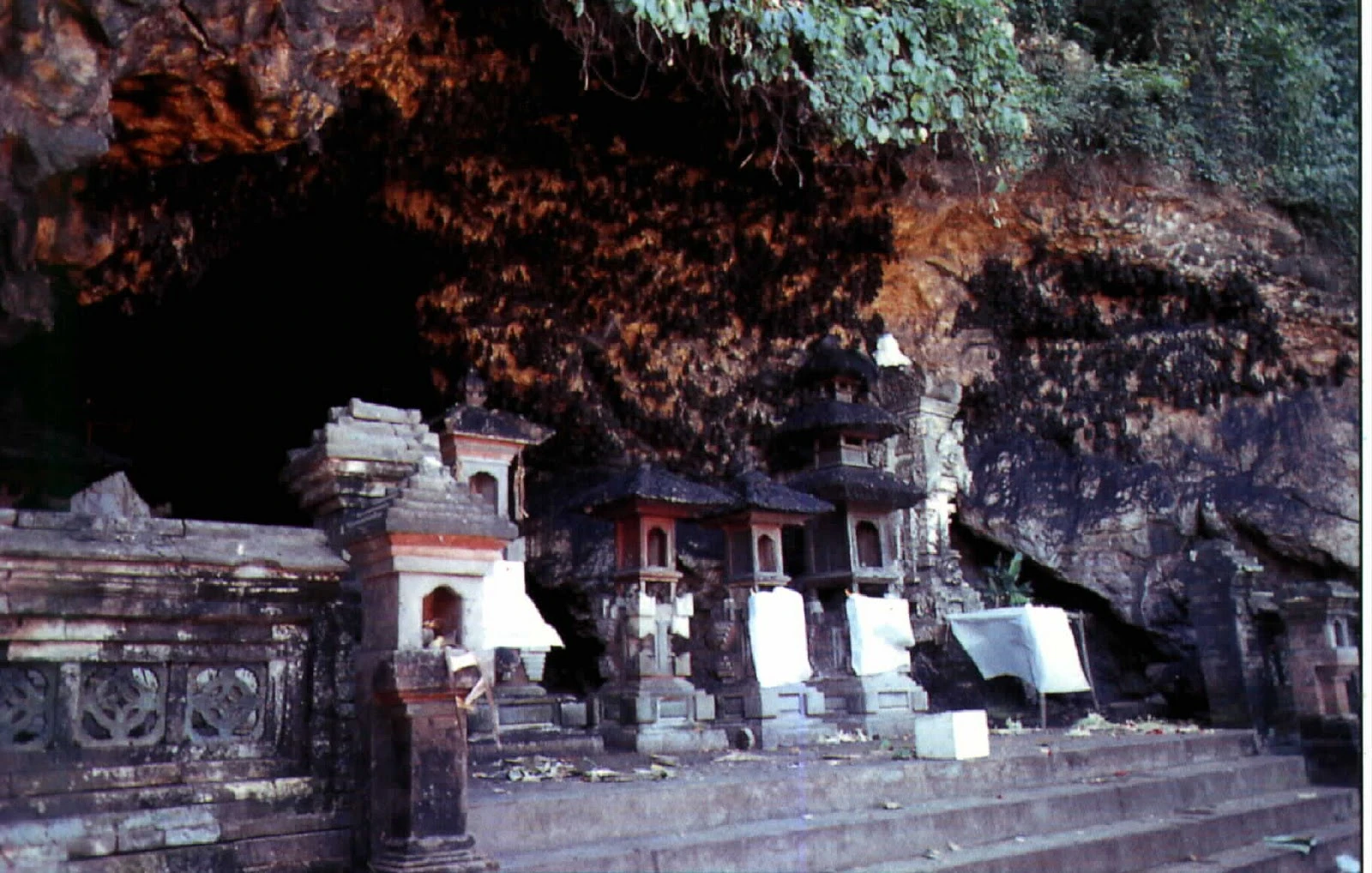
What makes Goa Lawah truly special is its location at the entrance of a sacred cave, which is home to thousands of bats. For the local Hindu community, this is far more than just a tourist attraction; it is a deeply spiritual place used for prayer and blessings. The cave is believed to be a holy passage connecting to another major temple, Besakih Temple, while the bats living inside are respected as guardians of this sacred space.
The Locations
Goa Lawah Temple is located on the east coast of Bali, about a 90-minute drive from popular tourist areas such as Seminyak or Canggu. The journey itself is part of the experience, offering scenic views of the ocean on one side and traditional Balinese villages on the other, making the drive both relaxing and visually rewarding. It also serves as a convenient stop on a trip exploring East Bali. From here, you can easily continue your journey to nearby attractions such as Kusamba Beach or the Klungkung Palace, making it an ideal addition to a well-planned Bali itinerary.
A Brief History of Goa Lawah Temple
Goa Lawah Temple is a Hindu temple believed to have been founded in the 11th century by Mpu Kuturan, a revered Hindu priest who played a key role in introducing Hinduism to Bali. Behind the temple lies a sacred cave that was originally used as a meditation site for priests and a place of worship dedicated to Lord Shiva and Dewi Basuki, the mythical serpent guardian of the earth.
The cave site also holds historical significance in Bali’s resistance against Dutch colonial forces in 1849, when Dewa Agung Istri Kanya led the Klungkung troops in battle near the temple area. The temple complex itself is quite spacious and traditionally divided into three main sections: Jaba Pisan, featuring two large banyan trees; Jaba Tengah, which contains the Meru shrines and pavilions; and Jero, the innermost sacred area that leads directly to the cave.
The Bat Cave
Inside Goa Lawah Temple, you’ll find that the true heart of the site is the cave itself, although you won’t be able to enter it. The cave is closed to the public to protect its sacred environment, but you can still stand close to the entrance and experience its unique atmosphere. As you approach, the first thing you’ll notice is the sound a constant, high-pitched chirping echoing from deep inside, created by thousands of bats communicating within the darkness.
You’ll also notice a strong, earthy smell from the accumulated guano, the bat droppings that have built up over centuries, which may be intense at first but becomes easier to tolerate as you stay longer. If you look up toward the cave ceiling near the entrance, you may catch sight of the bats hanging upside down during the day, often larger than you might expect. At sunset, the scene becomes even more magical as they suddenly awaken and stream out of the cave in long, flowing lines to search for food, creating one of the most natural spectacles you can witness in Bali.
Things to do at Goa Lawah Temple
At Goa Lawah Temple, you can start by taking in its striking scenery and capturing some memorable photos. The contrast of the dark volcanic stone temple against the bright blue sky creates a stunning view, especially from the parking area where you can also see the ocean in the background. If you visit at the right time, you may also witness a traditional ceremony, where locals dressed in white carry beautifully arranged offerings of fruit and flowers, offering you a meaningful glimpse into Balinese culture.
Beyond sightseeing, take a moment to simply experience the atmosphere of the temple. As you stand quietly, you’ll hear the constant chirping of bats, the soft sounds of prayers, and the gentle ringing of bells, creating a truly unique ambiance. To enrich your visit further, you can also speak with one of the local guides at the entrance, who are happy to share the stories and legends behind the temple, making your experience even more insightful.
Tips For Visiting
When you plan your visit to Goa Lawah Temple, you’ll get the best experience by coming either early in the morning around 9 AM or later in the afternoon, around 4 PM. At these times, you’ll find fewer crowds and more comfortable temperatures, allowing you to explore the temple and its surroundings in a more relaxed atmosphere. You won’t need a lot of time here around 45 minutes to an hour is usually enough to take everything in. Since the temple is located in East Bali, you can easily include it as part of a day trip and combine your visit with nearby attractions such as White Sand Beach or Klungkung Palace for a more complete travel experience.
How to Get to Goa Lawah Temple
Goa Lawah Temple is located on the east coast of Bali, along the main road between Denpasar and Karangasem, making it very easy to reach by car or motorbike. From popular tourist areas like Seminyak, Canggu, or Ubud, the journey usually takes around 1.5 to 2 hours, depending on traffic. The drive itself is scenic, passing through coastal views, rice fields, and traditional Balinese villages.
The easiest way to get there is by hiring a private driver or joining an East Bali day tour. The temple is directly accessible from the main road, and there is a designated parking area right at the entrance, so you won’t need to walk far to reach the site.
Conclusion
Goa Lawah Temple is more than just an ancient monument; it is a living symbol of Bali’s spiritual heritage, natural wonder, and cultural resilience. With over a thousand years of history, a sacred cave guarded by thousands of bats, and deep connections to Balinese Hindu beliefs, the temple offers a rare combination of mystery, devotion, and breathtaking scenery. From its historical roots linked to Mpu Kuturan to its role in Bali’s past resistance, Goa Lawah remains a meaningful place where history and spirituality come together. Whether you are drawn by its unique bat cave, its architectural beauty, or its peaceful atmosphere, a visit here offers an authentic glimpse into the soul of East Bali.
If you’re planning a trip to Bali, be sure to add Goa Lawah Temple to your itinerary. Enjoy the scenic coastal journey, immerse yourself in the temple’s sacred atmosphere, and don’t miss the breathtaking sight of thousands of bats emerging at sunset—one of the island’s most unforgettable natural places.